

Why Expensive Gym Clothes Last Longer
Table of Contents
- Why Expensive Gym Clothes Last Longer: The Material Difference
- Fabric Quality and Durability: What Sets Premium Activewear Apart
- Construction and Stitching: Engineering for Longevity
- How Long Should Workout Clothes Last
- How to Make Gym Clothes Last Longer: Washing and Care
- Are Expensive Gym Leggings Worth It: Cost Per Wear Analysis
- Signs Your Gym Clothes Are Wearing Out
- When Premium Price Doesn't Equal Better Durability
- Frequently Asked Questions
Last Updated: October 5, 2026
Why Expensive Gym Clothes Last Longer: The Material Difference
When you invest in premium activewear, you're paying for engineering, not just a brand name. The difference between a £25 gym top and a £45 one comes down to what the fabric is made from and how it's constructed.
Expensive gym clothes last longer because they use high-grade synthetic fibres and blends built to withstand repeated stress. Budget activewear uses lower-density fabrics that break down faster under sweat, movement, and washing, while premium brands invest in fibre quality and fabric engineering that preserves elasticity, colour, and shape.
At GrantB Sportswear, we engineer our activewear with 78% nylon and 22% elastane. Nylon provides strength and a refined finish, while elastane ensures four-way stretch that doesn't degrade after dozens of washes.
High-grade synthetic fibres and blends
Premium activewear relies on synthetic fibres because they outperform natural fabrics in durability and moisture management. Nylon is stronger than cotton and resists pilling better, while elastane (spandex) maintains elasticity through repeated stretching, critical for gym wear that must recover its shape after every squat, lunge, and deadlift.
Budget brands cut costs with lower-grade nylon or less elastane. A legging with 15% elastane feels stiff and loses stretch faster than one with 22%, noticeable within weeks.
Polyester quality also varies widely: high-quality polyester holds dye and resists fading, while cheaper versions fade after a few washes and become brittle.
Nylon and elastane construction
The nylon-to-elastane ratio determines how long your gym clothes perform. A 78/22 blend (like ours) is engineered for durability and recovery, so leggings maintain their shape through hundreds of washes and workouts.
Construction method matters too.
When elastane degrades, clothes lose support and sag.
Fabric Quality and Durability: What Sets Premium Activewear Apart
Fabric weight and density directly determine how long a garment lasts. Heavier isn't always better, but denser is: a dense weave packs more fibres into the same space, resisting pilling, tearing, and stretching out.
Premium gym clothes use higher-weight fabrics (typically 200-250 gsm) that feel substantial and perform better under stress, while budget activewear uses lighter fabrics (120-150 gsm) that feel thin and break down faster.
Density also affects opacity: a denser fabric stays opaque when stretched, which is why expensive leggings don't go see-through during squats. Cheaper leggings often fail this test within months.
Density and weight of the fabric
Fabric density is measured in grams per square metre (gsm). Higher gsm means more fibre per unit of fabric, so a 250 gsm nylon-elastane blend outlasts a 140 gsm version by years, not months.
Dense fabric also resists pilling, which happens when loose surface fibres tangle into balls, more common in lightweight fabrics where fibres aren't tightly bound. Premium activewear's tight construction minimises pilling even after extended wear.
Fabric weight also affects feel: expensive gym clothes feel substantial and smooth because the fibres are tightly woven, while budget alternatives feel thin and flimsy.
Moisture-wicking and breathability performance
Moisture-wicking requires specific fibre engineering. Premium synthetic fabrics pull sweat away from your skin to the outer surface, where it evaporates, keeping you dry and preventing pooling or chafing.
Budget activewear uses basic synthetics that absorb moisture rather than wick it, so sweat sits against your skin and feels clammy. Trapped moisture also degrades elastane and nylon faster.
Premium brands add surface treatments and texture or hollow the fibre itself to move moisture efficiently.
Construction and Stitching: Engineering for Longevity
Stitching matters as much as fabric. Expensive gym clothes use reinforced seams and high-quality stitching that distributes stress evenly, while budget alternatives use single-stitched seams that fail first at the waistband and underarm.
Premium brands use industrial-grade thread and machines for tight, consistent stitching, often reinforcing seams with extra thread passes or special techniques that prevent unravelling.
Stitch density varies too: premium activewear uses 12-16 stitches per inch versus 8-10 on budget options, and more stitches create a stronger seam.
Seam strength and reinforcement
Seams are the weak points in any garment, under constant stress from movement and washing. Premium brands reinforce them at the waistband, leg openings, and underarm.
Reinforcement techniques include:
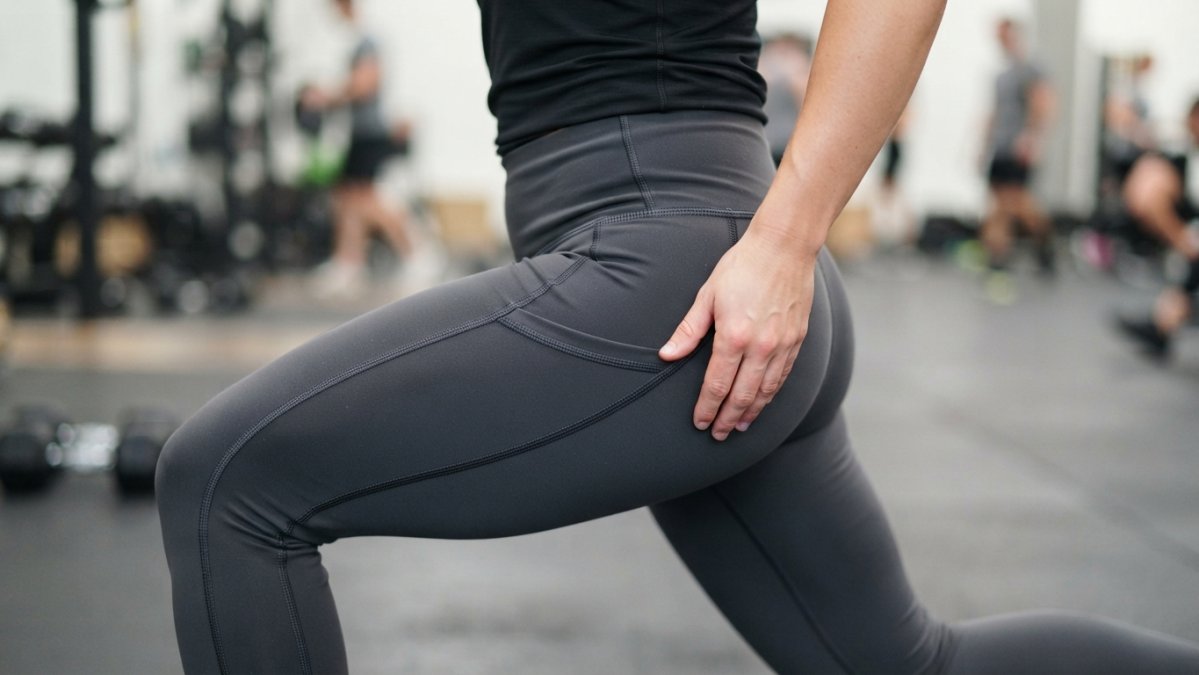
Hem and waistband durability
Waistbands and hems take the most stress. Premium activewear uses wider waistbands with reinforced elastic sewn in multiple passes so it stays put and doesn't roll or separate.
Hems matter too: premium brands fold and stitch them carefully to prevent fraying.
How Long Should Workout Clothes Last
There's no single lifespan figure for gym clothes: wear life depends on fibre type, fabric weight, construction quality, and how hard you wear the garment. Anyone quoting one number without those qualifiers is guessing.
Think in wash-and-wear cycles rather than calendar time. Elastane and surface fibres degrade mainly through wash agitation, movement friction, and heat. Training three times a week and washing after every session puts leggings through roughly 150 cycles a year; training once a week and airing between sessions drops that to around 50.
Expected lifespan by fabric and construction
| Fabric and construction | Typical wear life (regular use) | What fails first |
|---|---|---|
| Lightweight polyester-elastane, single-stitched, under 150 gsm | 6-12 months | Pilling, seam separation, loss of opacity |
| Mid-weight nylon-elastane, flat-lock seams, 180-220 gsm | 18 months - 3 years | Waistband elastic fatigue, mild colour fade |
| Heavyweight nylon-elastane, reinforced seams, 220-260 gsm | 3-5 years | Surface pilling only; structure holds |
| Cotton or cotton-blend gym wear | 6-18 months | Stretch loss, odour retention, shape distortion |
These ranges assume rotation across several garments and cold-water washing. Wearing the same pair every session and tumble drying compresses them significantly.
The variables that actually move the number
Fibre type. Nylon resists abrasion better than polyester, so nylon-elastane blends outlast polyester-elastane at the same weight. A 22% elastane blend also recovers shape far better than a 10-15% blend, since more elastic fibre shares the load.
Fabric weight. A 240 gsm fabric has roughly twice the fibre mass of a 120 gsm fabric in the same panel, so there's more material to abrade before a hole or thin spot appears.
Construction. Flat-lock and reinforced seams spread stress across more thread than a simple overlock stitch, which is why cheap leggings fail at the crotch seam or waistband before the fabric wears through.
Wear pattern. Rotating five pairs across a week gives each roughly one-fifth the mechanical stress of wearing one pair daily, the cheapest way to extend activewear life.
Care. Cold washing, skipping fabric softener, and air drying can add a year or more to a mid-weight garment. Tumble drying on high heat destroys elastane fastest.
A practical way to test your own garments
You don't need a lab to estimate remaining life. Check four things every few months:
- Opacity under stretch, hold the fabric taut against a light. Translucency where it was opaque means the fibre structure is thinning.
- Elastic recovery, stretch the waistband and release. If it doesn't snap back within a second or two, the elastane is fatiguing.
- Seam integrity, run a finger along the crotch and side seams. Loose thread or small holes mean stitching is the next failure point.
- Surface texture, light pilling is cosmetic; heavy pilling in high-friction zones means outer fibres are breaking down.
When two or more show decline, the garment is near the end of its performance life, even if it looks fine on a hanger.
How to Make Gym Clothes Last Longer: Washing and Care
How you wash your gym clothes matters more than most people realise. Improper washing can destroy expensive activewear within months. Proper care can extend its life by years.
The rule is simple: treat gym clothes gently. They're engineered for intense movement, not harsh washing.
Wash cycle and temperature settings
Cold water is essential, hot water breaks down elastane and fades dyes. Washing cold every time significantly extends activewear life.
Use a gentle or delicate cycle: standard cycles are too harsh for stretchy fabrics, while slower spinning and shorter agitation protect the fibres.
Avoid fabric softener entirely, it coats fibres, blocks moisture-wicking, and degrades elastane. Use white vinegar in the rinse cycle instead; it softens without damage.
Wash with similar colours to prevent dye transfer, and turn leggings inside out to reduce outer-surface pilling.
Drying methods and fabric preservation
Air drying is the only safe method for premium activewear, machine heat breaks down elastane and causes shrinkage. Lay gym clothes flat or hang them on a line.
Drying flat prevents stretching and distortion; hanging lets gravity stretch the waistband or leg openings, especially when the fabric is wet and heavy.
Keep gym clothes out of direct sunlight while drying, UV fades colours and weakens synthetic fibres over time.
Never iron gym clothes: heat damages elastane and can melt synthetics. To remove wrinkles, hang the item in a steamy bathroom or use a garment steamer on low heat, held several inches away.
| Care Step | Method | Impact on Durability |
|---|---|---|
| Water temperature | Cold water only | Preserves elastane and colour |
| Wash cycle | Gentle or delicate | Protects fibre structure |
| Drying | Air dry flat or hang | Prevents stretching and shrinkage |
| Fabric softener | Avoid completely | Maintains moisture-wicking performance |
| Drying heat | None (no machine drying) | Extends elastane lifespan significantly |
Are Expensive Gym Leggings Worth It: Cost Per Wear Analysis
Cost per wear is the only honest way to compare a £25 pair of leggings with a £70 pair, because sticker price says nothing about how many sessions each survives. The formula:
Cost per wear = purchase price ÷ (wears per week × weeks of useful life)
Its value lies in the second number, useful life, where cheap and expensive activewear diverge most sharply.
Running the numbers honestly
Take two leggings worn three times a week (roughly 150 wears a year):
| Budget pair | Mid-range pair | Premium pair | |
|---|---|---|---|
| Upfront price | £25 | £45 | £70 |
| Realistic useful life at 3 wears/week | ~9 months | ~2 years | ~3.5 years |
| Total wears | ~58 | ~150 | ~260 |
| Cost per wear | ~£0.43 | ~£0.30 | ~£0.27 |
| Replacements over 5 years | 6-7 pairs | 2-3 pairs | 1-2 pairs |
| 5-year spend | ~£150-£175 | ~£90-£135 | ~£70-£140 |
Two things stand out. The cost-per-wear gap between budget and premium is real but narrower than the price gap suggests, roughly 40% lower, not 180%. And the five-year spend ranges overlap: premium only wins decisively if the garment genuinely lasts, which is why construction checks matter more than brand name.
The costs the sticker price hides
Upfront price isn't the only cost. Consider:
- Replacement friction. Buying cheap leggings repeatedly means repeated shopping time, fit uncertainty, and break-in periods, a cost that never appears on a receipt.
- Laundry load. A garment that pills and holds odour needs washing after every wear. A well-engineered moisture-wicking fabric can sometimes be aired and re-worn once, halving wash frequency, energy, and detergent use.
- Performance cost. Leggings that go see-through, roll at the waistband, or lose compression mid-session undermine the workout itself, a real cost, just not a financial one.
When premium pricing is not worth it
Premium price doesn't automatically mean premium durability. Some brands price for fashion positioning, limited drops, or influencer marketing rather than fabric and construction. Before paying a premium, check:
- Fibre content on the label. A clear nylon-elastane or polyester-elastane breakdown is a good sign; vague terms like "performance blend" with no percentages are a warning.
- Fabric weight. If the brand publishes gsm, compare it. Under 150 gsm is lightweight; 200-260 gsm is substantial.
- Seam construction. Turn the garment inside out. Flat-lock or reinforced seams in high-stress areas indicate engineering; single overlocked seams don't.
- Long-term reviews. Look for reviews written after six months or more of ownership, not first impressions.
If a garment is expensive but fails these checks, you're paying for branding, not durability, and the cost-per-wear maths won't work in your favour.
The break-even point
A useful rule of thumb: premium activewear becomes the cheaper option once you expect to wear a garment more than roughly 100 times. Below that, a well-chosen mid-range pair often delivers better value; above it, genuine durability engineering tends to pay for itself, provided your care routine preserves the elastane rather than destroying it in the wash.
Signs Your Gym Clothes Are Wearing Out
Knowing when to replace your activewear helps you make the most of your investment. Expensive gym clothes don't fail suddenly, they degrade gradually, and you can spot the signs.
Pilling is the first visible sign: small fibre balls form on the surface, usually at high-friction areas like the inner thigh or underarm. Light pilling is cosmetic; heavy pilling means the fabric is breaking down.
Loss of elasticity comes next. If leggings feel loose or saggy even after washing, the elastane is degrading irreversibly, the garment has reached the end of its useful life.
Colour fading indicates UV or heat damage: if black leggings turn grey or a coloured gym top loses vibrancy, the dyes are breaking down and the fabric is likely weakening too.
Seam separation or fraying means the stitching is failing, small holes or loose threads signal the garment won't last much longer.
Odour that won't wash out means bacteria have colonised the fabric, which happens when moisture-wicking fails and sweat is absorbed rather than wicked away. The fabric may be structurally sound, but its performance is compromised.
When Premium Price Doesn't Equal Better Durability
Not all expensive gym clothes are created equal. Some brands charge premium prices for design or branding rather than material quality or construction. Knowing the difference protects your investment.
Check the fabric composition. A high-quality nylon-elastane blend (like 78/22) is a good sign; if the label doesn't clearly state fibre content, that's a red flag. Vague terms like "performance fabric" or "advanced synthetic" often hide lower-quality materials.
Examine the construction. Turn the garment inside out: are the seams reinforced, neat, and tight, or are there loose threads? Budget construction is visible even on expensive garments.
Test the fabric weight. Hold it up to the light, if it feels thin or translucent, it's likely lower-density fabric that won't last, regardless of price.
Read reviews from people who've owned the garment at least a year. New reviews focus on fit and first impressions; long-term reviews reveal whether it actually holds up.
Some expensive brands rely on marketing and aesthetics rather than durability engineering, using trendy fabrics that look good initially but degrade quickly. Premium pricing doesn't guarantee premium durability.
The reason expensive gym clothes last longer isn't mysterious, it's engineering. Better fibres, denser fabric, reinforced seams, and thoughtful construction add cost, but they also add years to your activewear. When you understand what you're paying for, the premium price makes sense.
At GrantB Sportswear, we build activewear that performs through hundreds of workouts and washes. Our Sculpt Leggings use a high-grade nylon-elastane blend and reinforced construction, with added focus on sculpting support and movement during heavy lifting. When you invest in quality gym clothes, you're buying durability, comfort, and confidence through years of training. Get started with GrantB Sportswear and experience the difference genuine engineering makes.

Frequently Asked Questions
How long should workout clothes last before replacing them?
Premium gym clothes typically last 2-3 years with regular wear and proper care, while budget activewear may show significant wear within 6-12 months. The difference comes down to fabric density, fibre quality, and construction. Higher-grade nylon and elastane blends resist pilling, colour fading, and elasticity loss better than cheaper synthetic alternatives. Proper washing, cold water, gentle cycle, air drying, extends durability significantly. Track your garments: if you wear leggings three times weekly, expect around 150-200 wears before noticeable degradation occurs in premium pieces.
What makes expensive gym leggings worth the investment?
Expensive gym leggings justify their cost through superior fabric construction, precise engineering, and longevity. Premium pieces use high-grade nylon (78% or higher) blended with quality elastane for four-way stretch that maintains its shape after hundreds of wears. Better seam reinforcement prevents splitting during squats and lunges. Moisture-wicking technology stays effective longer because the fabric doesn't degrade as quickly. When you calculate cost per wear, dividing the purchase price by the number of times worn, a £35 pair lasting 200 wears costs 17p per wear, while a £15 pair lasting 50 wears costs 30p per wear. The durability difference pays for itself.
How do I make my gym clothes last longer?
Proper care extends activewear life by months or years. Wash in cold water on a gentle cycle to prevent fibre breakdown and colour fading. Turn leggings inside out before washing to protect the outer surface from friction. Avoid fabric softener, which coats fibres and reduces moisture-wicking. Air dry completely, heat from tumble dryers damages elastane and causes shrinkage. Store in a cool, dry place away from direct sunlight. Wash after every 2-3 wears rather than waiting, as sweat buildup weakens fibres. Repair small holes or loose seams immediately before they spread. These steps can add 6-12 months to your activewear's lifespan.
What fabric is best for durable gym clothes?
High-grade nylon blended with elastane (typically 78% nylon, 22% elastane) offers the best balance of durability, stretch, and moisture management. Nylon is stronger than polyester and resists pilling better, while elastane provides four-way stretch that recovers after repeated compression. Avoid cheap polyester-only fabrics, which pill easily and lose elasticity quickly. Bamboo fibres can be durable but require careful washing. Premium blends also feature tighter weaves and higher fabric weight, which means better coverage, longer life, and superior performance during intense workouts. Density matters: thicker fabric resists wear and tear better than thin, flimsy alternatives.