

Are Expensive Gym Clothes Worth It?
Table of Contents
- Why Gym Clothes Cost More Than You Think
- The Fabric Technology Behind Premium Activewear
- Benefits of Moisture-Wicking Fabrics in Performance
- Durability: Do Expensive Gym Clothes Actually Last Longer?
- Are Recycled Polyester Leggings Durable Enough?
- How to Care for High-Performance Activewear
- Cost-Per-Wear: The Real Measure of Value
- When Expensive Gym Clothes Are Worth the Investment
- Frequently Asked Questions
Last Updated: September 23, 2026
Why Gym Clothes Cost More Than You Think
When you're comparing a £30 gym shirt to one priced at £80, the difference feels obvious at first glance. But whether expensive gym clothes worth the premium isn't about brand prestige alone. The cost difference reflects genuine engineering: advanced fabric blends, precision seam construction, and performance technology that cheaper alternatives simply don't include.
At GrantB Sportswear, we understand what separates premium activewear from budget options. The reality is that expensive gym clothes address real problems that emerge during intense workouts. Fabric that doesn't move with you, seams that chafe, materials that lose shape after a dozen washes, these aren't minor inconveniences. They're the reasons people abandon expensive gym clothes after a few weeks, only to buy replacements.
The question isn't whether expensive gym clothes worth it in absolute terms. It's whether they're worth it for your specific situation. That distinction matters because it changes everything about how you should approach your activewear budget.
The Fabric Technology Behind Premium Activewear
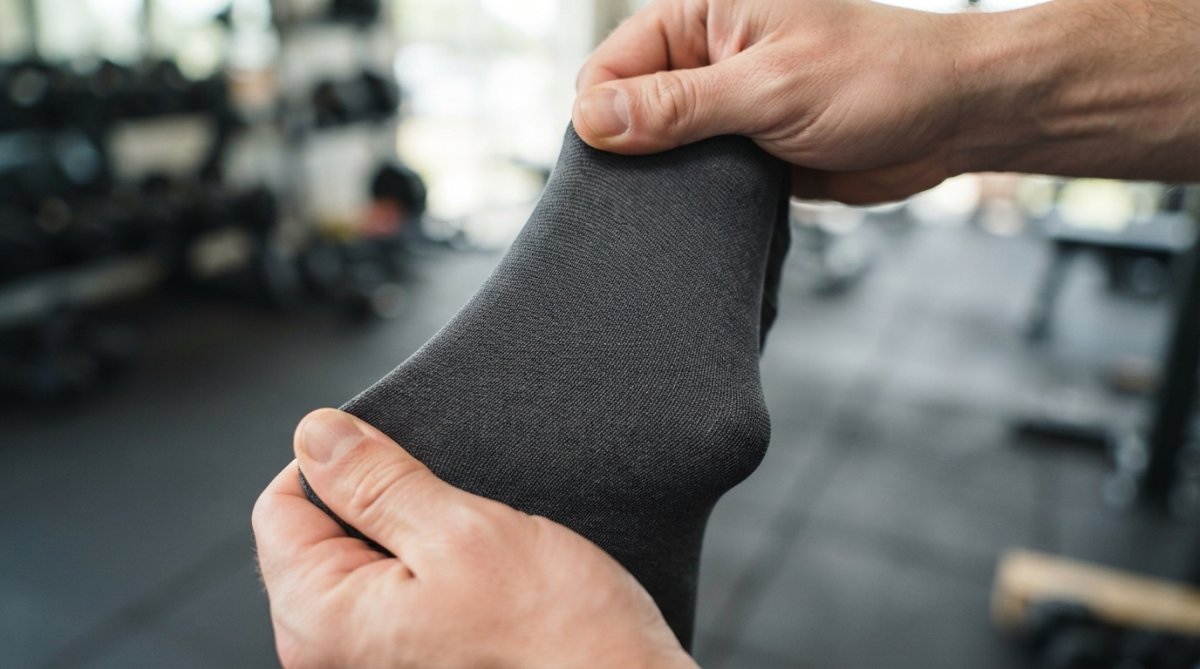
Expensive gym clothes typically use synthetic fibre blends engineered specifically for athletic performance. The most common is a combination of nylon and elastane, usually around 78% nylon to 22% elastane, which creates fabric with properties that natural fibres simply can't match.
Nylon delivers durability and a refined, second-skin finish. It resists pilling, maintains its colour through repeated washing, and provides the smooth surface that makes expensive activewear feel different against your skin. However, not all nylon is equal.
Elastane (also called spandex) is what gives gym clothes their stretch and recovery. Without sufficient elastane, fabric becomes baggy after a few wears. With the right proportion, it snaps back to its original shape, session after session. The 22% elastane ratio common in premium activewear is deliberate. This proportion balances durability, comfort, and performance.
Manufacturing technique matters just as much as material choice. Flatlock stitching, for instance, eliminates the raised seams that cause chafing during heavy lifting. The seam sits flat against your skin, which sounds minor until you're halfway through a brutal leg day and your inner thigh isn't screaming. Premium activewear brands invest in this construction detail. Cheaper brands use standard overlocked seams that work fine for casual wear but become problematic during high-impact exercise.
Another critical difference is yarn construction. Premium brands use twisted or texturised yarn, which creates a more stable fabric with better shape retention. Budget alternatives often use straight filament yarn, which is cheaper to produce but more prone to snagging and pilling. When you run your hand across expensive activewear, you're feeling the result of this yarn engineering, the fabric has a refined texture rather than a slick, plasticky feel.
Finally, premium activewear often incorporates secondary technologies layered into the base nylon-elastane blend. Some brands add a small percentage of polyester for enhanced moisture-wicking. Others incorporate micro-fibres that improve the fabric's ability to regulate temperature. These additions increase manufacturing complexity and cost, but they directly address the performance gaps that emerge during intense training. Budget activewear skips these refinements, which is why the price difference reflects genuine engineering rather than brand markup alone.
Benefits of Moisture-Wicking Fabrics in Performance
Moisture-wicking is perhaps the most misunderstood feature in activewear. It doesn't mean the fabric absorbs your sweat and holds it. It means the fabric pulls moisture away from your skin and disperses it across the fabric surface, where it evaporates more efficiently.
This matters because sweat against your skin creates friction. During intense workouts, that friction becomes discomfort. Moisture-wicking fabrics reduce that friction, which means you stay more comfortable throughout your session. You also stay cooler because evaporation happens faster when moisture is dispersed rather than pooled.
The performance difference is measurable. Synthetic fabrics with proper moisture-wicking properties keep skin temperature lower during exercise compared to cotton or poorly engineered synthetics. This translates to slightly better endurance, you're not fighting against the physical discomfort of wet fabric clinging to your body.
Expensive gym clothes achieve moisture-wicking through specific fabric construction and fibre selection. The nylon-elastane blends used in premium activewear are inherently better at moisture management than budget alternatives. Additionally, premium brands often apply finishes that enhance wicking properties further. These finishes add to manufacturing costs, which is partly why expensive gym clothes command higher prices.
Durability: Do Expensive Gym Clothes Actually Last Longer?
This is where the investment thesis either holds up or falls apart. Do expensive gym clothes genuinely last longer than budget alternatives?
The answer is yes, but with important caveats. Premium activewear typically survives more wash cycles before showing visible wear. The high-grade nylon resists pilling better. The superior elastane content maintains stretch longer. Seam construction that's engineered properly doesn't unravel as quickly.
However, durability depends enormously on how you care for your gym clothes. A £100 pair of leggings treated poorly, washed in hot water, dried on high heat, left in a gym bag for days, will degrade faster than a £40 pair treated carefully. The expensive option gives you a durability advantage, but only if you're willing to maintain it.
Real durability data is difficult to come by because it depends on individual washing habits, workout intensity, and fabric care. What we know from practical experience is that expensive gym clothes typically show less visible wear after 50+ washes. Pilling is minimal. Elastane doesn't lose its recovery as noticeably. Seams remain intact rather than beginning to fray.
The difference isn't dramatic in most cases. A well-made £40 pair of leggings might last 100 washes before becoming noticeably worn. An expensive £100 pair might last 150-180 washes. That's a meaningful difference if you're wearing the same items multiple times per week, but it's not the tenfold difference in price.
Are Recycled Polyester Leggings Durable Enough?
Recycled polyester has become increasingly common in premium activewear as brands respond to environmental concerns. The question many athletes ask is whether recycled polyester leggings are durable enough for serious training.
The honest answer: recycled polyester performs nearly identically to virgin polyester in terms of durability. The recycling process doesn't significantly degrade the polymer chains that give the fabric its strength and elasticity. What matters more is the overall fabric construction, the fibre count, the elastane percentage, and the seam quality.
Where recycled polyester differs is in consistency. Some recycled polyester batches are indistinguishable from virgin material. Others show slightly more variation in colour or texture. This isn't a durability issue, it's an aesthetic one. For performance and longevity, recycled polyester leggings from reputable brands hold up just as well as their virgin counterparts.
The environmental benefit of recycled polyester is real. It diverts plastic waste from landfills and requires less energy to produce than virgin polyester. From a durability standpoint, this means you're not sacrificing performance for environmental responsibility. You're getting comparable durability while reducing your product's environmental footprint.
How to Care for High-Performance Activewear
Even expensive gym clothes degrade quickly if you treat them poorly. The care practices you adopt matter more than the initial price tag in determining how long your activewear actually lasts. Understanding the mechanism behind each care step helps you prioritise which practices deliver the biggest durability payoff.
Washing temperature and elastane degradation. Hot water accelerates elastane degradation by breaking down the polymer chains that give the fabric its stretch and recovery properties. Elastane begins to lose elasticity noticeably above 40°C; at 60°C and above, the damage compounds rapidly. Wash gym clothes in cool or lukewarm water (30-40°C), never hot. This single change extends the lifespan of activewear compared to hot-water washing.
Machine drying and synthetic fabric damage. High heat damages elastane and can cause synthetic fabrics to pill more aggressively. Dryer temperatures above 50°C cause the nylon fibres to become brittle and prone to snagging. Air dry your gym clothes whenever possible. Hang them on a drying rack or lay them flat. This takes longer, but the durability payoff is substantial.
Detergent chemistry and fibre protection. Standard laundry detergent contains enzymes and bleach that can damage synthetic fabrics over time. These enzymes are designed to break down protein stains (sweat, blood), but they also degrade the nylon polymer chains at a microscopic level. Use a gentle, enzyme-free detergent designed for athletic wear. Additionally, avoid fabric softener entirely. Fabric softener coats synthetic fibres in a silicone-based layer that reduces moisture-wicking and accelerates pilling by trapping moisture against the fabric surface. The same applies to dryer sheets, skip them entirely for gym clothes.
Washing inside out and pilling prevention. Wash gym clothes inside out to reduce pilling on the outer surface and protect the fabric from friction with other garments. Pilling occurs when short fibres break free and ball up on the fabric surface; inside-out washing reduces the friction that causes this. This practice is especially important for high-denier nylon activewear, which is more prone to pilling if the outer surface is exposed to abrasion during washing.
Activity-specific care considerations. High-impact activities (running, HIIT, jumping) generate more sweat and friction, which accelerates fabric degradation if not managed properly. If you wear the same activewear for high-impact training, wash after every wear and air dry without exception. Low-impact activities (yoga, Pilates, walking) generate less sweat and friction; you can extend the time between washes to 2-3 wears if the garment doesn't smell or feel damp. This distinction matters because overwashing low-impact activewear unnecessarily accelerates degradation.
Storage and off-season care. How you store gym clothes between wears affects long-term durability. Never leave damp activewear in a gym bag or locker; moisture trapped against the fabric encourages mildew and accelerates elastane degradation. Hang or lay flat to dry completely before storing. Store in a cool, dry place away from direct sunlight; UV exposure can fade synthetic fabrics and weaken nylon fibres over time. If storing activewear for an extended period (off-season), ensure it's completely clean and dry first. Sweat residue left on fabric can cause permanent staining and odour issues that don't wash out after months of storage.
Implementing these care practices consistently can extend the lifespan of activewear compared to standard washing and drying, dramatically improving the cost-per-wear calculation and justifying the premium investment.
Cost-Per-Wear: The Real Measure of Value
The actual value of expensive gym clothes becomes clear when you calculate cost-per-wear. This is the total price divided by the number of times you wear the item before it's no longer wearable.
A £40 pair of leggings worn 100 times costs 40p per wear. A £100 pair worn 150 times costs 67p per wear. If you're wearing gym clothes 3-4 times per week, the £100 leggings are actually more economical over their lifespan, assuming they genuinely last longer and you actually wear them that frequently.
The cost-per-wear calculation only works in favour of expensive gym clothes if two conditions are met: you wear them regularly, and you take care of them properly. If you buy expensive activewear and wear it sporadically, the cost-per-wear remains high. If you buy expensive activewear and treat it poorly, you lose the durability advantage that justifies the higher price.
This is why expensive gym clothes make sense for serious athletes and regular gym-goers, but less sense for casual exercisers. Someone training 5-6 times per week benefits from the durability and performance features of premium activewear. Someone working out once or twice a month doesn't generate enough wear to justify the premium price.
When Expensive Gym Clothes Are Worth the Investment
Expensive gym clothes become genuinely worthwhile when your training demands specific performance features that budget alternatives can't deliver.
Heavy lifters benefit significantly from premium activewear. The compression and support features of well-engineered gym clothes make a tangible difference during compound movements. The four-way stretch allows full range of motion without restriction. The moisture-wicking keeps you comfortable through long training sessions. The GrantB Sculpt Set, for instance, combines supportive construction with breathable fabric technology, engineered specifically for the demands of intense strength training.

Athletes with sensitive skin also benefit from expensive activewear. The higher-quality synthetic blends cause less irritation than budget alternatives. The flatlock seams eliminate chafing. The moisture-wicking reduces the friction that can trigger skin issues during sweaty workouts.
People who train in hot environments or during high-intensity sessions where sweat accumulation is significant see real performance benefits from premium activewear. The fabric engineering that makes expensive gym clothes expensive directly addresses the problems that emerge during intense, prolonged effort.
Frequent gym-goers who wear the same items multiple times per week benefit from durability. The cost-per-wear calculation shifts in favour of expensive activewear when you're wearing the same leggings or sports bra 3-4 times weekly. Over a year, that's 150+ wears. Premium activewear that lasts through 150+ wears costs less per wear than budget alternatives that fall apart after 60-80 wears.
Professional athletes and fitness instructors who wear gym clothes for 8+ hours daily absolutely justify expensive activewear. The durability advantage becomes enormous when activewear is your primary wardrobe.
The GrantB Performance Set represents this investment approach, designed for athletes who transition seamlessly from gym to everyday wear and demand apparel that maintains its shape and performance through frequent use. The nylon-elastane construction ensures durability through consistent training, whilst the breathable fabric technology manages moisture during high-intensity sessions.
Conversely, expensive gym clothes are harder to justify if you work out sporadically, have sensitive skin, train in cool environments, or primarily do low-impact activities like yoga or walking. Budget activewear handles these situations adequately. The performance features that justify premium pricing don't become apparent unless you're pushing your body hard and frequently.
The value of expensive gym clothes ultimately depends on matching the product to your actual training demands and wearing frequency. Premium activewear delivers genuine performance advantages in durability, moisture management, and comfort during intense exercise. These advantages only translate to value if you're the type of athlete who experiences those benefits regularly.
GrantB Sportswear has designed its activewear collection specifically for athletes who demand both performance and style. With free UK delivery and £10 off orders over £100, premium gym clothes become more accessible to serious gym-goers ready to invest in apparel that moves with them through every workout. The durability and performance features justify the investment for anyone training consistently and intensely.
Frequently Asked Questions
Are expensive gym clothes worth it if I only work out a few times a week?
It depends on your cost-per-wear calculation. If you train 2-3 times weekly and keep pieces for 2+ years, premium activewear spreads its cost across hundreds of wears, making the per-wear price comparable to budget alternatives worn less frequently. However, if you rarely exercise, basic options may suit you better. Consider your commitment level and how often you'll actually use the pieces before investing in expensive gym clothes.
How do I know if expensive activewear will stay in place during heavy lifting?
Premium gym clothes use higher-grade nylon blends (typically 78% nylon, 22% elastane) with reinforced seam construction and flatlock stitching that prevents rolling or slipping. Four-way stretch fabrics conform to your body without shifting. Look for high-waisted designs with secure pockets and compression zones. Reading reviews from lifters performing compound movements like squats and deadlifts reveals whether pieces genuinely stay put during intense training.
Why are recycled polyester leggings durable if they're made from recycled materials?
Recycled polyester undergoes the same manufacturing process as virgin polyester, creating identical molecular structures and durability. The difference lies in sourcing, not performance. High-quality recycled polyester blended with elastane (22% or higher) delivers the same shape retention, moisture-wicking, and longevity as virgin materials. Durability depends on fabric weight, elastane percentage, and seam quality, not whether the polyester is recycled or new.
How should I care for high-performance activewear to make it last longer?
Wash inside-out in cold water on a gentle cycle to protect seams and flatlock stitching. Avoid fabric softener and bleach, which damage elastane and moisture-wicking properties. Air-dry instead of tumble-drying to prevent shrinkage and elastane breakdown. Proper care extends the lifespan of expensive gym clothes, directly improving your cost-per-wear value.