

How to Build a Functional Fitness Wardrobe That Works
Quick Summary
A functional fitness wardrobe starts with the training you actually do. List your weekly sessions, group them into heavy training, cardio and low-load work, then buy around 10 to 12 pieces that cover those sessions. Prioritise supportive sports bras and leggings first, then breathable tops and a layering piece.
- List your typical week and count heavy lifting, cardio and low-load sessions before buying.
- A starter set is about 10 to 12 pieces: 3 bottoms, 3 tops, 2 to 3 sports bras, 1 layer and 1 or 2 pairs of trainers.
- Match support to impact: firm for running and HIIT, medium for lifting and cycling, soft for yoga.
- Judge value by cost per wear, so a £44.95 jacket worn 60 times costs about 75p per wear.
- Replace activewear once stretch is lost, fabric thins, or the waistband or bra stops giving reliable support.
Table of Contents
- Start With the Training You Actually Do
- A Practical Checklist: Gym Wardrobe Essentials
- What to Wear to the Gym for Strength, Cardio and Yoga
- Best Fabrics for Workout Clothes: Breathability, Stretch and Durability
- How to Choose Gym Leggings That Fit and Stay Put
- Getting Support Right: Sports Bras and High-Impact Pieces
- Building Layers That Move From Studio to Office
- Budget, Cost Per Wear and Buying Priorities
- Caring for Your Pieces and Knowing When to Replace Them
- Your Next Step: Assemble a Starter Rotation
- Frequently Asked Questions
How to Build a Functional Fitness Wardrobe That Works
Last Updated: November 7, 2026
Start With the Training You Actually Do
A functional fitness wardrobe starts with your routine, not with the shop window. People often buy for the workout they imagine, then wear whatever is clean for the one they actually do. Build around the sessions you attend most often.
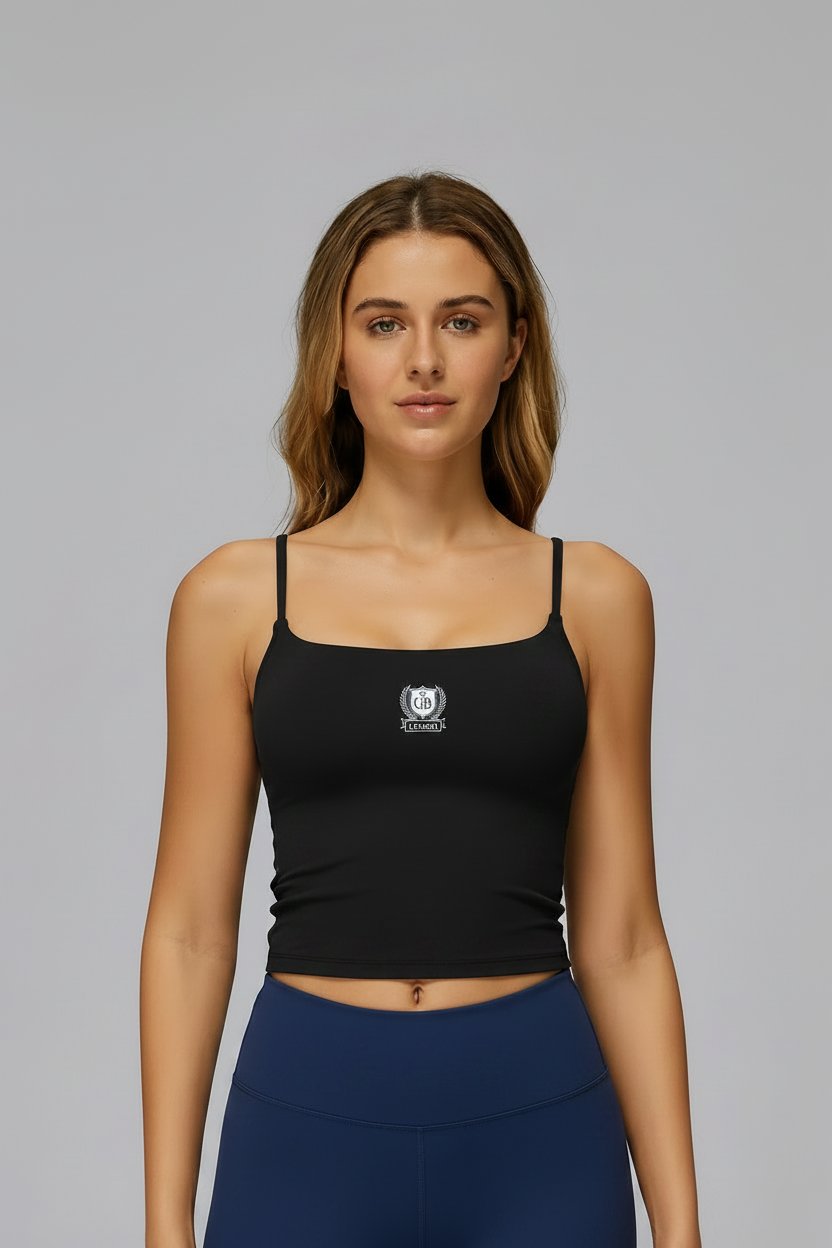
Begin by listing your typical week. Note how many heavy lifting sessions you do, how often you run or cycle, and whether you do yoga or mobility work. Then add the non-gym hours too, such as the commute or a day at the office.
Your list usually shows three groups of activity:
- Heavy training: squats, deadlifts and presses that need firm support
- Cardio and conditioning: running, HIIT and spin that need breathable, sweat-friendly fabric
- Low-load and recovery: yoga, stretching and walking that need comfort and freedom of movement
Once you see the split, you know which pieces matter most. A lifter needs stable leggings and a secure sports bra. A yoga practitioner needs soft, four-way stretch. Most people need a mix.
Watch out: buying for a training style you rarely do wastes money and leaves your current sessions under-dressed.
A Practical Checklist: Gym Wardrobe Essentials
A workable starter wardrobe needs fewer pieces than most shops suggest. For more detail, see the guide to studio and gym activewear. For a standard routine of three to four sessions a week, use this checklist as a guide:
- 3 bottoms, such as leggings or training shorts
- 3 tops, such as fitted tees or relaxed workout tops
- 2 to 3 supportive sports bras
- 1 layering piece for warm-ups and cool-downs
- 1 or 2 pairs of training trainers
This adds up to around 10 to 12 pieces, enough to rotate through a week of training without washing every item daily.
Sample weekly rotation:
- Monday (lifting): leggings, fitted top, supportive sports bra, trainers
- Wednesday (cardio): training shorts, breathable tee, sports bra
- Friday (yoga): leggings, relaxed top, layering jacket if the studio is cold
Keep your rotation simple. Wash between uses, and check each piece for stretch loss before you rely on it for heavy work.
What to Wear to the Gym for Strength, Cardio and Yoga
Each type of training asks something different of your clothes. Choose pieces by what the session demands, not by the look alone.
Strength training needs stability. Your leggings should stay put during squats and deadlifts, and your top should not ride up when you reach overhead. Opt for a high waistband and a fabric that stays opaque when stretched.
Cardio and HIIT needs breathability and freedom. Choose lightweight tops and shorts that move with you through jumps and sprints. Sweat management matters most here, so look for quick-drying fabric.
Yoga needs a soft, forgiving feel. You will hold deep stretches and inversions, so prioritise four-way stretch and a comfortable waist. Avoid anything that digs in or restricts your range of motion.
The GrantB Sculpt Leggings suit most of these sessions, with a supportive waistband designed to stay in place during movement. If you also do yoga, the GrantB Core Sports Bra gives you high-impact support without sacrificing comfort.
Best Fabrics for Workout Clothes: Breathability, Stretch and Durability
Fabric choice shapes how your gear feels and how long it lasts. Three properties matter most:
- Breathability: lets heat and moisture escape so you stay comfortable
- Stretch: allows full range of motion without losing shape
- Durability: resists pilling and fading after repeated washing
Most performance gear blends a synthetic base with an elastic fibre. The GrantB Core Sports Bra and GrantB Sculpt Leggings use a 78% nylon and 22% elastane blend, a combination that offers a smooth feel and four-way stretch. Nylon gives strength and a refined finish, while elastane provides the flex that lets fabric move with you.
Look at the fabric label before you buy. Check the composition percentages, and be cautious of very thin fabrics that may turn sheer when stretched.
How to Choose Gym Leggings That Fit and Stay Put
Leggings are the piece most likely to let you down mid-session, so choose them by the job they need to do rather than by the look on the hanger. The right pair depends on your training mix, your body shape, and where you train.
Match the bottom to the session
- Heavy lifting and functional fitness: choose a high-rise legging with a wide, flat waistband and a compressive fabric that stays opaque through deep squats.
- Cardio, HIIT and spin: prioritise lightweight, quick-drying fabric and a fit that does not bunch behind the knee. Shorts or capri lengths reduce heat build-up on the bike and treadmill.
- Yoga, Pilates and mobility: choose a softer, four-way stretch fabric with a smooth waistband that does not dig in when you fold forward or twist. Avoid heavy compression here, which can restrict breathing and range of motion.
- Hybrid sessions: a 7/8 or full-length legging in a neutral colour moves from strength work to a coffee stop without looking like gym kit.
Five fit tests before you commit
- Waistband test. Bend forward and twist. The band should stay flat and in place, not roll or gap at the back.
- Squat test. Squat deeply in front of a mirror in bright light. The fabric should stay opaque and not pull tight across the seat.
- Rise check. A higher rise (around the navel or above) holds the legging in place during overhead lifts and reduces the need to tug them up between sets.
- Stretch and recovery. Pull the fabric gently at the knee and hip, then release. It should spring back rather than stay baggy.
- Seam and gusset check. Flatlock seams and a gusset reduce chafing during long sessions and high-repetition work.
Sizing and body-shape notes
Sizing varies widely between brands, so compare your measurements against each size chart rather than assuming your usual size. For a high-support option that matches these criteria, see the GrantB Sculpt Leggings. If you are between sizes, read the fit notes on the product page: compressive styles often run small, while softer yoga styles may run true to size. For curvier hips and thighs, look for a higher elastane content and a contoured waistband that sits above the hip bone. For shorter torsos, a mid-rise may sit more comfortably than a high-rise.

Indoor versus outdoor and seasonal adjustments
- Indoor gyms and studios: breathable, lighter fabrics work well; add a light layer for warm-ups and cool-downs.
- Outdoor training in cold weather: choose a brushed or double-layer legging, add a wind-resistant outer layer, and keep extremities warm with gloves and a hat.
- Outdoor training in warm weather: lighter colours reflect heat, and shorter lengths or breathable mesh panels help. Carry a light layer for shade or changing conditions.
- Rain and wind: a water-repellent outer short or legging overlay keeps you comfortable without overheating.
Watch out: a legging that passes the mirror test in the shop can still turn sheer under a deep squat in daylight, so test in bright light before you rely on it for heavy work.
Getting Support Right: Sports Bras and High-Impact Pieces
Support is the piece most people underestimate. For a closer look at high-impact support for larger busts, read the high-impact sports bra science guide. Running, jumping and heavy lifting all move the chest, so a bra with the right level of support keeps you comfortable and confident.
Match the bra to your activity:
- High impact (running, HIIT, plyometrics): choose firm, structured support
- Medium impact (weight training, cycling): a supportive, fitted bra works well
- Low impact (yoga, Pilates): a softer bra with comfortable compression is enough
Adjustable straps and removable pads help you fine-tune the fit. The GrantB Core Sports Bra offers high-impact support with adjustable straps and removable pads, so you can adapt it to different sessions.

Try on bras with the movements you plan to do. Reach overhead, bend forward and jump lightly. If the bra shifts or digs in, try a different size or style.
Building Layers That Move From Studio to Office
Most people do not train in isolation. A functional wardrobe has to handle the walk to the gym, a strength session, a commute, and a day at a desk without a full change of clothes. Layering is how you make that work.
A three-layer framework
Think in three layers rather than one jacket:
- Base layer: a fitted, sweat-wicking top or sports bra that sits close to the skin and manages moisture.
- Mid layer: a light fleece, hoodie, or long-sleeve top that adds warmth without bulk and can be removed after warm-up.
- Outer layer: a wind-resistant, water-repellent jacket or gilet that handles the commute and outdoor conditions.
This framework lets you adapt to a cold studio, a warm gym floor, and a chilly walk home without carrying a full change of clothes.
Hybrid routine decision rules
- Strength plus commute: wear a fitted top and leggings in a neutral colour, add a smart outer layer, and swap trainers for smart shoes at the office.
- Mobility or yoga plus errands: choose a relaxed top and soft leggings, then add a longline cardigan or overshirt that reads as everyday wear.
- Coaching or instructing: a zip-through jacket with secure pockets keeps essentials safe while you demonstrate movements and move between groups.
- Outdoor conditioning plus coffee: a water-repellent shell over a breathable base layer handles changing weather and looks tidy enough for a café stop.
Choosing the right layering piece
Look for a jacket or gilet that is light enough to tie around your waist or pack into a bag, with a zip that does not catch, secure pockets for keys and a phone, and a fabric that resists wind and light rain. A neutral palette (black, navy, grey, olive) makes every piece mix with the rest of your wardrobe and reduces the number of items you need.
Watch out: a heavy outer layer worn over a sweat-soaked base layer can leave you cold and damp once you stop moving, so choose a breathable mid layer and remove it before you cool down.
Budget, Cost Per Wear and Buying Priorities
Spending more on the right pieces can save money over time. Think in cost per wear: divide the price by the number of times you expect to wear the item.
A £44.95 jacket worn 60 times costs about 75p per wear. A cheaper piece worn 10 times and then retired costs far more per use.
Prioritise your buying in this order:
- Supportive sports bras and leggings for the sessions you do most
- Breathable tops for regular cardio or training
- A layering piece for studio-to-office days
Buy the essentials first and add extras later. Sales can help, but only buy discounted items that fit the wardrobe plan you have already set.
The article suggests comparing items by cost per wear, using its jacket example.
| Item | Value | Note |
|---|---|---|
| Jacket price | £44.95 | Worn 60 times |
| Cost per wear | About 75p | Jacket worn 60 times |
| Cheaper piece | Costs more per use | Worn 10 times, then retired |
Caring for Your Pieces and Knowing When to Replace Them
Activewear lasts longer with simple care. Wash gym clothes inside out on a gentle cycle, use a mild detergent, and avoid fabric softener, which can reduce moisture-wicking. Air-dry where you can, because high heat weakens elastane.
Replace a piece when you notice these signs:
- Stretch has gone, and the fabric no longer springs back
- The fabric has thinned or looks see-through when stretched
- The waistband rolls or the bra no longer gives reliable support
- Seams are fraying or elastic is loose
Do not wait for a failure during a heavy set. Retire worn pieces before they let you down.
Your Next Step: Assemble a Starter Rotation
Start with the sessions you do most. Pick three bottoms, three tops, two or three supportive sports bras, one layering piece and one or two pairs of trainers. Check the fit with the tests above, then wear the rotation for a month and note what holds up.
Ready to build your starter set? Explore the GrantB Sculpt Leggings and GrantB Core Sports Bra to find supportive pieces that fit your training. Choose the pieces you will wear most, and you will have a functional wardrobe that works from the first rep to the last.
Frequently Asked Questions
What should a functional fitness wardrobe include?
A functional fitness wardrobe usually starts with three bottoms, three tops, two or three sports bras, one layering piece and one or two extras, around 10 to 12 items in total. Choose pieces that cover your main training types, such as strength work, cardio and yoga. Prioritise fit, breathable fabric and support over trend-led designs. Add pieces only when your routine shows a clear gap, so the wardrobe stays small, versatile and easy to rotate through the week.
How many workout outfits do I need?
Most people who train three to five times a week manage well with four to six complete outfits, which allows one to be worn while another is washed and dried. Count how often you train and how many sessions you do in a row before laundry. If you train daily, plan for more tops and bottoms. Quantity matters less than having enough clean, well-fitting pieces ready for each session.
What fabrics are best for gym clothes?
Nylon and elastane blends are widely used in training wear because they combine stretch, recovery and a smooth finish. Look for moisture-wicking and quick-drying fabric if you sweat heavily, and a dense knit if you want coverage during squats and lunges. Check the fabric composition on the label, and choose a stretch percentage that suits the movements you do most often.
How do I choose gym leggings that stay in place?
Test the waistband for a secure, supportive hold without digging in, and check that the fabric stays opaque when stretched. During squats, bends and lunges, the leggings should not slide down or ride up. A high waistband and four-way stretch usually help. If you are unsure, try a few movements in-store or check the return terms before you commit.
