

Essential Activewear for Studio and Gym Workouts
Last Updated: November 4, 2026
Quick Summary
Activewear for studio classes should be light, breathable and low-compression, while gym kit needs firmer support and seams that hold under load. Choose the session you do most often and buy for it first, then add one piece for the other. Matching fabric and support to the session matters more than buying a single set for both.
- Studio movement rewards light compression that lets you breathe into poses and rotate through the spine.
- Gym training rewards firmer compression that holds muscle in place and reduces bounce during impact.
- Seams across the hip and knee can cause chafing during long floor holds in studio work.
- Own one sports bra per impact level rather than stretching one across both studio and gym.
- Research from Edith Cowan University found activewear is worn for exercise less than half the time.
Table of Contents
- Why Studio and Gym Sessions Need Different Activewear
- What to Wear to the Gym: Building a Core Kit
- Workout Leggings: Fabric, Fit and Four-Way Stretch
- Sports Bras for Different Impact Levels
- Studio Workout Clothes: Layering for Classes and Flow
- Tops, Vests and Shorts for Mixed Training
- Fabric Technology: How Moisture-Wicking Blends Perform
- Care, Maintenance and Making Your Activewear Last
- Building Your Studio and Gym Wardrobe with GrantB
- Frequently Asked Questions
Choosing activewear for studio classes and a heavy gym session are two different jobs, and most people buy one set to do both. Finding the right activewear for studio work starts with knowing where it differs from gym kit. This guide covers what each environment actually asks of your kit. Activewear for studio work and gym training overlaps far less than most shop listings suggest.
Research from Edith Cowan University found that activewear is worn for exercise less than half the time, with most use happening during everyday activities such as shopping. ECU study on the psychology behind the activewear trend That means many people are dressing for the wrong job. Below, we break down the fabric, support and fit decisions that matter most.
Why Studio and Gym Sessions Need Different Activewear
Studio classes and gym sessions ask different things of the same garment, and the differences are specific enough to change what you buy. Studio work, yoga, Pilates, barre, mobility, is low-impact, floor-based and held for long periods. Gym work, lifting, HIIT, circuits, running, is high-impact, load-bearing and sweat-heavy. The fabric, compression and seam placement that suit one can work against you in the other.
Compression and support. Studio movement rewards light compression that lets you breathe into a pose and rotate through the spine. Gym training rewards firmer compression that holds muscle in place under load and reduces bounce during impact. A high-compression legging is excellent for a heavy squat session and restrictive in a long yin hold; a soft, light legging is comfortable in a flow class and can shift during a sprint interval. The practical answer is to match compression to the session rather than buying one pair for everything.
Seam placement. Seams are where chafing starts. In studio work, seams across the hip and knee can dig in during floor poses and long holds, so flatlock or bonded seams and a gusseted crotch matter more than they do standing up. In the gym, seams under a barbell or a weighted belt create pressure points, and a high waistband that rolls down under load is a common failure. Check where the seams sit on the garment, not just how it looks on.
Impact level and bra choice. Sports bra support is graded by impact. Low-impact yoga and studio stretching need light support; running, HIIT and heavy lifting need high support with a secure band and adjustable straps. Wearing a light bra to a high-impact class is the single most common kit mistake, and it is worth owning one bra per impact level rather than stretching one across both.
Sweat and temperature. Studio rooms are often heated and hold warmth, while gym floors alternate between warm-up and cool-down. Breathable, lightweight layers let you adjust in a studio; a zip layer you can shed between sets does the same job in the gym. Wearable technology is now the number one fitness trend for 2026, according to the American College of Sports Medicine, which means more people are training with devices that pair with their clothing, and more reason to check that a waistband or armband does not interfere with a sensor (acsm.org). ACSM top fitness trends for 2026
A simple rule. Buy for the session you do most, then add one piece for the other. If you train in the gym four times a week and take one studio class, invest in supportive leggings and a high-support bra first, then add a lighter studio layer. If the balance is reversed, start with breathable, low-compression pieces and add one firm-support set for the gym days.
Watch out: a garment marketed as 'multi-sport' is usually a compromise, check the compression level and seam placement against your highest-impact session before relying on it for both.
What to Wear to the Gym: Building a Core Kit
A practical gym kit needs four things: a supportive top, leggings or shorts that stay put, a layer for warm-ups, and a bra that matches your impact level. Start with the pieces you wear most often rather than buying a full wardrobe at once.
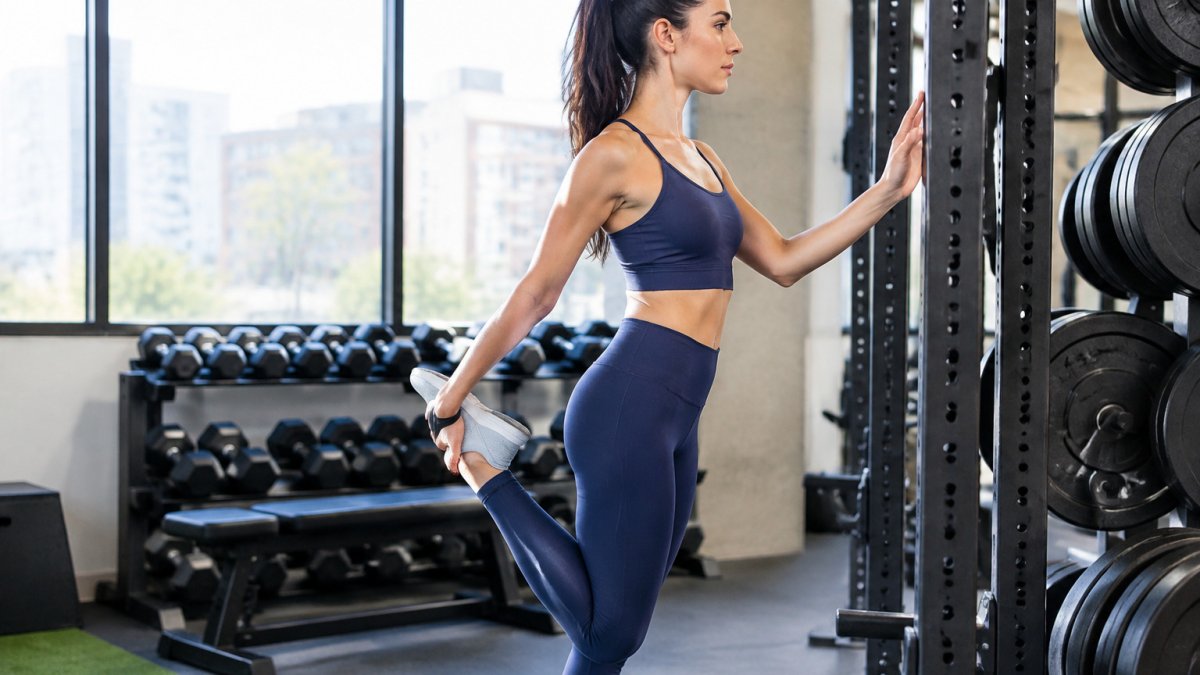
The GrantB Sculpt Set at £59.99 pairs a sports bra with leggings in one coordinated purchase. It suits people who want a ready-made combination for gym and studio alike. For a layer that works across training and travel, the GrantB Performance Jacket at £44.95 is a sensible addition.

Workout Leggings: Fabric, Fit and Four-Way Stretch
Leggings do the most work in a session, so fabric and fit decide everything. GrantB's leggings use a 78% nylon and 22% elastane blend, which gives a smooth finish and four-way stretch that moves with squats and lunges. The high waistband is designed to stay in place during movement, which is exactly what lifters need.
The GrantB Sculpt Leggings at £34.99 are designed to stay opaque when stretched and to provide a supportive waistband through movement. If you prefer a wider leg, the GrantB Studio Flare Set at £49.99 pairs a fitted vest with bootleg flared leggings for a different silhouette.

Why Squat-Proof Coverage Matters
Squat-proof coverage is the fabric's ability to stay opaque when you bend and stretch, and it is the first thing to check before buying gym leggings. A thin fabric may look fine standing but turn sheer under a deep squat. Look for a dense, premium fabric and check how it behaves when you stretch it in the fitting room or on arrival. For a fuller comparison of this criterion, see our guide on choosing squat-proof leggings for the gym.
Sports Bras for Different Impact Levels
Sports bra support is graded by impact, and the right choice depends on what you do. Low-impact yoga and studio stretching need light support. Running, HIIT and heavy lifting need high support with a secure band and adjustable straps.
The GrantB Core Sports Bra at £29.99 offers high support, with removable pads and adjustable straps. If you are unsure which level you need, our guide to choosing supportive gym bras walks through the decision step by step.

Studio Workout Clothes: Layering for Classes and Flow
Studio classes are warmer than most people expect, and they involve a lot of floor and mat work. Breathable, lightweight layers let you adjust as the room heats up. A vest or fitted top over a bra or bra-top gives coverage without bulk.
The GrantB Studio Vest at £19.99 is light and breathable, with enough give for full range of movement. For a longer-sleeved option, the GrantB Studio Top at £24.99 offers a 3/4 sleeve and sweat-wicking fabric that suits both class and casual wear.
Tops, Vests and Shorts for Mixed Training
Mixed training means switching between lifting, cardio and mobility work within one session. The best pieces are the ones you can move in without thinking about them. Look for fabric that wicks sweat away from the skin, and avoid anything that rides up or restricts your arms overhead.
The GrantB Training Shorts at £24.99 use four-way stretch fabric and a secure waistband, which holds up through squats and lunges. Pair them with the Studio Top for a simple mixed-training outfit. The GrantB Signature Hoodie at £49.95 works well for warm-ups and cool-downs, and it transitions easily to everyday wear.
Fabric Technology: How Moisture-Wicking Blends Perform
Most guides stop at 'look for moisture-wicking fabric'. That advice is true but useless on its own, because two garments can both be labelled moisture-wicking and behave completely differently after twenty minutes of sweat. The difference sits in the fibre, the knit and the finish, and each choice trades one benefit against another.
How wicking actually works. Moisture-wicking is a two-stage mechanism. Hydrophilic fibres pull sweat away from the skin, and a hydrophobic outer surface spreads it across a larger area so it evaporates faster. A fabric that is hydrophilic throughout will hold water; a fabric that is hydrophobic throughout will not absorb sweat at all and will feel clammy. Performance knits are engineered with both properties, usually by blending fibre types or by treating the yarn surface.
Synthetic blends (nylon, polyester, elastane). These are common in gym kit. Nylon and polyester are strong, dry quickly and hold shape, while elastane provides the stretch and recovery that keeps leggings and bras in place. The trade-off is odour: bacteria thrive on the oily residue that synthetics retain, which is why a polyester top can smell after one session even when it looks clean. Look for fabrics described as having an antimicrobial or odour-control finish, and wash synthetics promptly rather than letting them sit in a bag.
Recycled polyester. Chemically identical to virgin polyester but made from post-consumer plastic, recycled polyester performs the same in the gym and carries a lower environmental cost. It is not inherently more breathable or more odour-resistant, so judge it on the knit and finish rather than the recycled label alone.
Natural fibres: merino and bamboo. Merino wool is naturally odour-resistant because its structure traps odour molecules until washing, and it regulates temperature well across warm-ups and cool-downs. It is less durable under heavy abrasion and slower to dry than synthetics, so it suits studio layers, warm-ups and low-sweat sessions better than high-impact training. Bamboo viscose is soft and breathable but weaker when wet and prone to stretching out, which makes it a comfort choice rather than a performance one.
Why construction matters as much as composition. A knit with good recovery stretches and returns rather than sagging after a long session. Flatlock seams reduce chafing under a sports bra or a loaded barbell, and a denser knit is what delivers squat-proof opacity. The GrantB Signature Hoodie uses a 42% cotton and 58% polyester blend, which suits warm-ups and everyday wear. When you compare two pieces at the same price, check the fibre percentages and the seam construction before the marketing claims.
Watch out: a fabric can be moisture-wicking and still be wrong for your session, merino is excellent for a cool studio class and a poor choice for a sweaty HIIT block, where a nylon-elastane blend will dry faster and hold its shape.
Care, Maintenance and Making Your Activewear Last
Activewear fails most often because of how it is washed. Wash on a cool setting, avoid tumble drying where possible, and air dry flat.
Wash darker colours separately to limit fading, and turn garments inside out to protect the surface. Rotating two or three sets rather than wearing one every day gives the elastane time to recover between sessions. Done consistently, these habits extend the life of premium pieces considerably.
Building Your Studio and Gym Wardrobe with GrantB
Start with the pieces that cover your main sessions, then add layers and extras as your routine settles. A sensible starting point is one supportive bra, two pairs of leggings or shorts, and one layer for warm-ups. The table below summarises the current GrantB pieces mentioned in this guide.
| Product | Price | Best For | Key Feature |
|---|---|---|---|
| GrantB Sculpt Set | £59.99 | Gym and studio combination | Coordinated bra and leggings |
| GrantB Sculpt Leggings | £34.99 | Heavy lifting and yoga | Squat-proof, high waistband |
| GrantB Core Sports Bra | £29.99 | High-impact training | High support, adjustable straps |
| GrantB Studio Vest | £19.99 | Studio classes | Lightweight, breathable |
| GrantB Studio Top | £24.99 | Mixed training | 3/4 sleeve, sweat-wicking |
| GrantB Training Shorts | £24.99 | Gym and mobility | Four-way stretch, secure waist |
| GrantB Performance Jacket | £44.95 | Warm-ups and travel | Zip-up layer, full length |
| GrantB Signature Hoodie | £49.95 | Warm-ups and everyday wear | Soft, versatile fit |
GrantB Sportswear offers free UK delivery and £10 off orders over £100. Choose the pieces that match your sessions, check the fit against the product details, and build from there. Your studio and gym wardrobe should work hard for both, and the right activewear makes that possible.
Frequently Asked Questions
What activewear do you need for the gym?
A practical gym kit covers three things: a supportive top or sports bra, bottoms that stay put during squats and deadlifts, and a layer for warm-ups. For heavy compound lifts, look for high-waisted leggings with a secure waistband and a fabric that does not turn sheer when stretched. GrantB's Sculpt Leggings, priced at £34.99, are built around a squat-proof, non-see-through construction, and the Core Sports Bra at £29.99 offers high support with removable pads and adjustable straps for heavier training.
Can you wear the same activewear for yoga and the gym?
Often yes, provided the pieces offer four-way stretch, breathability and a fit that does not restrict movement. Yoga needs more flexibility through forward folds and inversions, while gym sessions demand support during impact. GrantB's Studio Vest at £19.99 is designed for studio sessions and layering, and the Studio Top at £24.99 is a 3/4 sleeve option for gym and yoga. Check that a piece stays in place when you bend fully before wearing it to a class.
Do you need a different sports bra for high-impact exercise?
Yes. Low-impact activity such as yoga or walking needs light support, while running, HIIT and jumping need structured support that limits bounce. Look for a higher support rating, a firm band and adjustable straps. The GrantB Core Sports Bra at £29.99 is rated for high support and suits running, HIIT and studio workouts alike, whereas the GrantB Sculpt Set at £59.99 pairs a bra with matching leggings if you want a coordinated look for mixed sessions.
