

7 Comfortable Walking Trainers for Travel Tested for Long Days
Quick Summary
Comfortable walking trainers for travel need a cushioned midsole that holds its shape over long days, a breathable upper, and a secure heel and midfoot fit. Choose a shoe with rubber outsole grip for varied surfaces, and break in new pairs before your trip.
- Choose a midsole that still feels supportive at the end of the day, not just the first step.
- Mesh uppers let heat escape, which matters in warm weather and between heated and outdoor spaces.
- Heel slip causes friction and blisters, so a snug heel with firm lace-up holds your foot in place.
- Avoid buying a size up for swelling, because a loose heel causes the same friction problems as a tight toe box.
- Wear new trainers on short local walks first, since blisters often start within the first 5 to 10 kilometres.
Table of Contents
- What Makes Walking Trainers Comfortable for Travel
- How We Assessed the Options
- Best Travel Shoes for Walking From GrantB Sportswear
- Lightweight Walking Trainers for Packing Light
- Travel Shoes With Arch Support and Fit Guidance
- How to Break In Walking Trainers Before You Fly
- Choosing Your Pair for Your Next Trip
- Frequently Asked Questions
What Makes Walking Trainers Comfortable for Travel
Last Updated: November 16, 2026
Comfortable walking trainers for travel need three things: a cushioned midsole that absorbs impact over long days, a breathable upper that keeps your feet from overheating, and a secure fit that stops your heel slipping on every step. Get those right and your feet can handle a full day of airport corridors, station platforms and cobbled streets. Get them wrong and you'll be counting the blisters by lunchtime.
Travel footwear often gets judged on style first. Comfort over a long day of walking matters far more, and it depends on the details below.
Cushioning that lasts the whole day. A soft foam midsole feels good in the shop, but it needs to hold its shape after hours of walking. Look for a midsole that still feels supportive at the end of the day, not just at the first step.
A breathable upper. Mesh uppers let heat escape. That matters when you're walking in warm weather or moving between heated indoor spaces and the outdoors.
A secure heel and midfoot. Heel slip causes friction, and friction causes blisters. A snug heel with a firm lace-up holds your foot in place without pinching the toe box.
Grip on varied surfaces. A rubber outsole gives traction on wet pavements, stone steps and uneven ground. Travel rarely offers a flat, dry path.
Watch out: buying a size up for "room to swell" often backfires on a long walking day, because a loose heel causes the same friction problems as a tight toe box.
How We Assessed the Options
We judged each pair on the features that matter most for travel: cushioning, upper breathability, heel security, outsole grip and weight.
A repeatable check helps. Before you buy, try this:
- Walk on a flat surface for ten minutes, then check the heel and toe box.
- Stand on one leg and press the midsole to see how quickly it recovers.
- Look for a lace system that holds the midfoot firmly without pressure points.
This keeps the comparison fair. Fit still varies from person to person, so use it as a starting point rather than a guarantee.
The article's checks for judging a pair before you buy can be summarised as follows.
| Check | What to do | Look for |
|---|---|---|
| Walking test | Walk on a flat surface | Ten minutes, then check heel and toe box |
| Cushioning test | Stand on one leg and press the midsole | How quickly it recovers |
| Lace test | Tighten the laces | Firm midfoot hold with no pressure points |
Best Travel Shoes for Walking From GrantB Sportswear
Our range includes trainers that suit different styles, from sporty everyday pairs to casual street-style options. Here is what we would recommend starting with, and why.
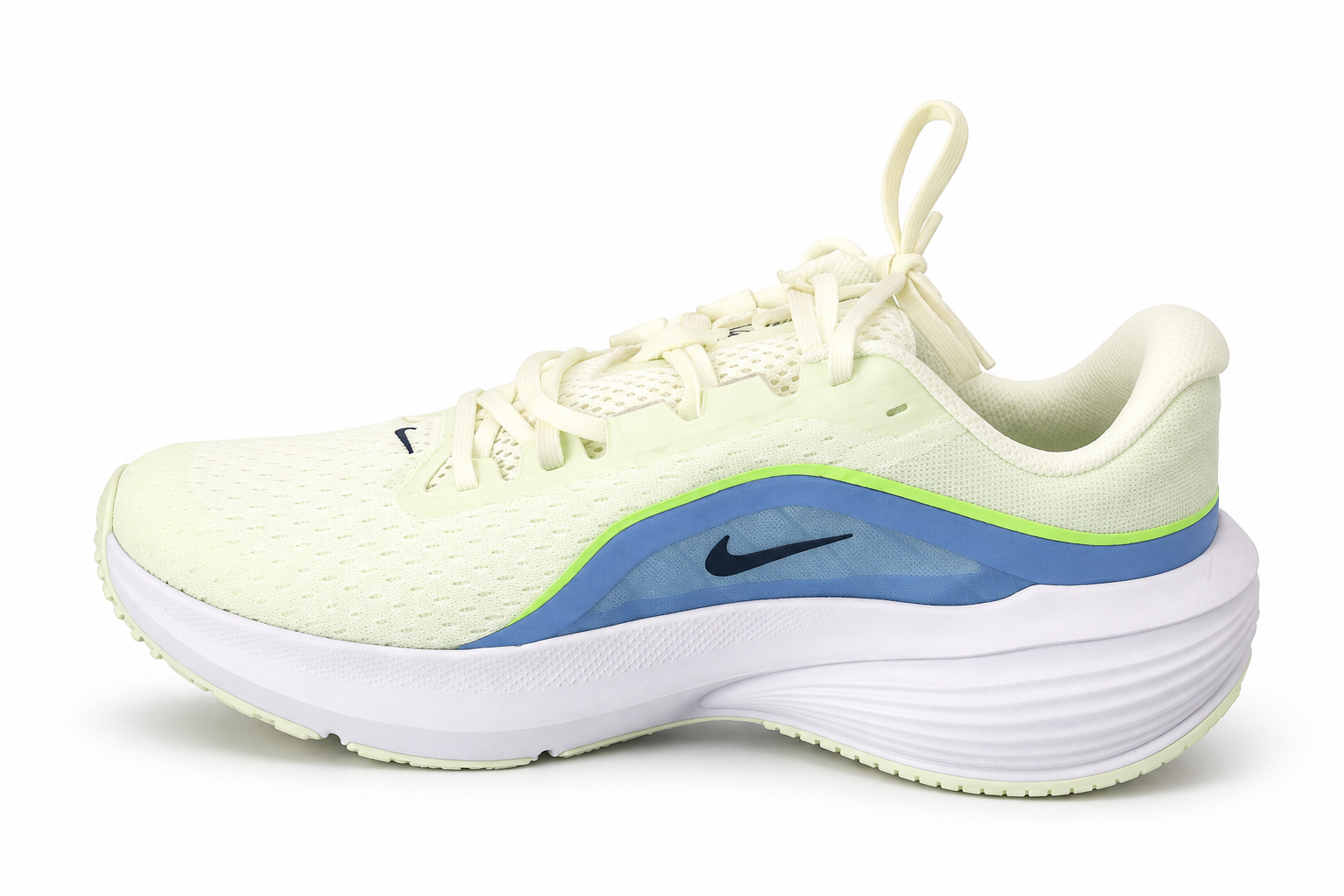
Nike Downshifter 14 for everyday walking
The Nike Downshifter 14 is built for everyday movement, with a breathable mesh upper, a soft foam midsole and a durable rubber outsole. It is priced at £59.95. For travel, the mesh upper keeps air moving on warm days, while the rubber outsole gives traction for everyday walking.
Best for: Travellers who want a light, breathable shoe for all-day walking in mixed conditions, and who prefer a softer ride for pavement-heavy itineraries. Skip if: You need firm stability control, a heavily cushioned shoe for long days carrying a heavy pack, or a shoe built for technical trails.
Explore the Nike Downshifter 14 to see the full specification before you decide.
Lightweight options for packing light
If you want footwear with a padded ankle collar and perforated uppers, the Nike Jordan Max Aura 7 at £56.00 is worth considering. Its chunkier sole gives it a more substantial look underfoot.
Skip if: You want a shoe built specifically for technical terrain, or you need a very packable flat that folds into a day bag.
How to compare these two for your trip
Choose the shoe that fits your trip's plans. The Downshifter 14 is a sporty everyday option, while the Jordan Max Aura 7 suits a more casual, street-style look.
Lightweight Walking Trainers for Packing Light
Weight matters when you are packing light. Choose a shoe that works on the street and in the airport, so you need one pair instead of two.
Travel Shoes With Arch Support and Fit Guidance
Arch support varies widely, and travel makes the question harder because your feet change during the day. Read how supportive gear improves movement during long workouts to see what good support does for your stride. Some people need a firm arch, while others find a flatter insole more comfortable. A shoe that feels fine for an hour may not hold up across a full day of sightseeing, especially when you are walking on hard pavements, standing in queues, or carrying a bag.
A practical way to think about it is by foot type and trip type together. If you have a high arch, you usually want a shoe with a contoured insole and enough volume in the upper so the top of your foot is not pressed. If you have a flatter foot, a firmer midsole and a secure midfoot hold often matter more than extra arch height. For plantar discomfort, the priority is a cushioned heel and a midsole that does not collapse under the arch after hours of walking. For wide feet, check the toe box width and the lace system; a shoe that is wide enough but has thin laces can still pinch across the forefoot.
Swelling is the detail most travellers underestimate. Feet commonly swell during long flights and after hours of walking, so a shoe that fits perfectly in the morning can feel tight by evening. Leave a thumb's width of space in front of your toes when you try shoes on, and check that your heel stays put when you walk. If your heel lifts or your toes press the front of the shoe, try another size before you travel. A common pattern is to size up for swelling, but that often backfires because a loose heel causes the same friction problems as a tight toe box. A better approach is to choose a shoe with a secure heel and adjustable lacing, then use the laces to manage fit as your feet change during the day.
Match support to the trip as well. City breaks with long pavement walks reward cushioning and a stable heel. Trips with cobblestones and uneven ground call for a firmer outsole and a midfoot that holds your foot steady. Warm-weather itineraries favour breathable uppers, while wet-weather trips need either a water-resistant upper or a willingness to dry shoes overnight. If you use orthotic insoles, take them with you when you try shoes on, because they change how much room you need inside the shoe.
Watch out: if you feel pressure under the arch or across the top of the foot within the first ten minutes of walking, do not assume it will soften with wear; pressure points usually get worse over a long day, not better.
How to Break In Walking Trainers Before You Fly
Wearing brand-new trainers on a long journey is best avoided. Wear them around the house or on short local walks before you travel.
A common mistake is wearing new shoes for the first time on a long travel day. Blisters often start on the first 5 to 10 kilometres. Give your feet a few shorter walks first, then build up to a full day.
Choosing Your Pair for Your Next Trip
Start with the trip itself. A city break with lots of walking calls for cushioning and grip. A short business trip might favour a shoe that looks smart enough for a meeting. A warm-weather trip rewards breathability.
If you're still deciding, browse our trainers collection to compare options side by side. For a deeper look at choosing supportive footwear, read How to Choose Supportive Workout Gear: 2026 Guide.
Frequently Asked Questions
What are the most comfortable trainers for walking while travelling?
The most comfortable travel trainers combine a cushioned midsole, a breathable upper and a secure heel fit. Among GrantB Sportswear's range, the Nike Downshifter 14 at £59.95 features a breathable mesh upper, a soft foam midsole and a durable rubber outsole.
How do I choose walking trainers for a trip?
Start with the terrain and the number of hours you expect to be on your feet. For city walking and sightseeing, prioritise cushioning, grip and a flexible sole. Pick a colour and style that suits both daytime sightseeing and smarter evening plans, so you can pack one pair instead of two.
Should I break in new trainers before travelling?
Yes. Wear new walking trainers for short periods around home for a week or two before you leave, gradually increasing the time. This lets the upper soften and the insole mould to your foot, which reduces the risk of blisters on the first day of a trip.
