

How to Choose Supportive Workout Gear: 2026 Guide
Table of Contents
- Why Supportive Workout Gear Matters for Your Performance
- Understanding Fabric Technology: Moisture-Wicking and Breathability
- High-Impact Support for Running and Cardio
- Is High-Impact Support Worth It for Yoga?
- Sports Bra Fit and Support: The Foundation of Your Activewear
- Choosing Leggings That Stay in Place During Heavy Lifting
- Benefits of Compression Gymwear for Recovery and Performance
- Layering for Temperature Control and Comfort
- Avoiding Chafing and Irritation: Seam Construction and Fabric Choice
- Range of Motion and Four-Way Stretch: What You Need to Know
- Signs Your Workout Gear Has Lost Its Elasticity
- Durability and Fabric Longevity: Investing in Quality That Lasts
- Sustainability and Ethical Fabric Choices in Modern Activewear
- Inclusive Sizing and Body-Type Specific Support
- Building Your Supportive Workout Wardrobe on a Budget
- Frequently Asked Questions
Last Updated: October 1, 2026
Why Supportive Workout Gear Matters for Your Performance
Choosing the right supportive workout gear isn't just about comfort, it's about unlocking your full potential during training. When your clothing works against you, every rep becomes harder. Your focus splits between your form and constant micro-adjustments. Supportive workout gear eliminates these distractions, allowing you to concentrate entirely on your performance.
The difference between generic activewear and genuinely supportive pieces shows up immediately. During heavy compound movements like squats or deadlifts, inadequate support means leggings creeping down, sports bras shifting, or fabric bunching in uncomfortable places. These aren't minor annoyances, they break your rhythm, compromise your form, and can lead to injury when you're not fully stabilised. At GrantB Sportswear, we've engineered our collection specifically for athletes who refuse to compromise on either performance or aesthetics.
Supportive workout gear serves multiple functions simultaneously. It manages moisture, maintains its shape through intense sessions, provides compression where you need it most, and moves with your body rather than against it. The fabric technology matters. The construction matters. The fit matters. Each element compounds to create gear that actually performs.
Understanding Fabric Technology: Moisture-Wicking and Breathability
Moisture-wicking and breathable fabrics form the foundation of functional activewear. These aren't marketing terms, they describe specific technical properties that directly impact your comfort and performance during training.
Moisture-wicking works through fabric composition and construction. When you sweat, the fabric pulls moisture away from your skin and distributes it across a larger surface area, allowing it to evaporate faster. This keeps you dry, regulates body temperature, and prevents the uncomfortable clammy feeling that breaks concentration mid-workout. Breathability refers to how freely air can pass through the fabric, which supports moisture evaporation and thermoregulation.
The most effective activewear combines synthetic blends designed for these properties. GrantB Sportswear's pieces use a 78% nylon, 22% elastane composition specifically engineered for quick-dry technology. Nylon provides the refined, second-skin finish while elastane ensures the fabric returns to its original shape after stretching. This blend delivers both the moisture management you need and the durability that survives countless wash cycles.
Natural fibres like cotton absorb moisture rather than wicking it, making them unsuitable for high-intensity workouts. Cotton holds sweat against your skin, which cools you down too much during exercise and increases chafing risk. This is why synthetic blends dominate performance activewear, they're simply more effective at what your body needs during training.
The difference becomes obvious during intense cardio or hot yoga sessions. Breathable, moisture-wicking fabric keeps you comfortable and focused. Poor-quality alternatives leave you overheated, distracted, and uncomfortable.
High-Impact Support for Running and Cardio
High-impact activities like running, HIIT, and intense cardio demand serious support from your gear. The repetitive pounding creates forces that challenge both your body and your clothing. Your sports bra must stay in place. Your leggings must provide secure coverage. Your entire outfit must move with you, not against you.
High-impact support means engineered underwire, adjustable straps, and structured cup design that keeps everything secure throughout your session. The GrantB Core Sports Bra delivers exactly this level of support, combining premium fabric with construction specifically designed for high-impact activities. During running, your body generates forces that shift your centre of gravity constantly. Without proper support, breast tissue experiences unnecessary stress and discomfort. A properly supported sports bra reduces this stress, increases comfort, and allows you to focus on your performance.

Leggings for high-impact work require a supportive high-waisted waistband designed to stay securely in place during movement. The GrantB Sculpt Leggings feature this exact design, the waistband won't slip during sprints, box jumps, or intense cardio intervals. The four-way stretch fabric adapts to every movement while providing gentle compression that supports your muscles and keeps the garment in place.
Many runners and cardio enthusiasts make the mistake of choosing leggings based on appearance alone. They pick pieces that look good but lack the technical construction needed for high-impact work. Then they spend their entire session adjusting their clothing instead of pushing their performance. The investment in proper high-impact support pays dividends through every workout.
Is High-Impact Support Worth It for Yoga?
This question reveals a common misconception about yoga and support. Many practitioners assume yoga requires minimal support because it lacks the explosive movements of running or HIIT. This overlooks what actually happens during yoga practice.
Yoga demands significant support, though in different ways than cardio. During complex poses like downward dog, handstands, or intense flows, your body moves through multiple planes of motion simultaneously. Your sports bra must provide consistent support without restricting your breathing or range of motion. Your leggings must stay in place through deep stretches and inversions. Inadequate support creates constant micro-distractions that pull you out of your practice.
The GrantB Core Sports Bra works equally well for yoga and running because support isn't activity-specific, it's physics. Your body needs secure, comfortable containment during movement. Whether that movement is a squat or a warrior pose doesn't change the fundamental requirement. What changes is the type of movement, which means your gear needs to accommodate full range of motion without sacrificing support.
High-waisted leggings designed for yoga need to stay in place during forward folds, maintain opacity during deep stretches, and provide gentle compression without feeling restrictive. The GrantB Sculpt Leggings tick every box. The high waistband stays secure during inversions. The dense, premium fabric remains non-see-through even when stretched. The four-way stretch accommodates your full range of motion.

For yoga practitioners, the real question isn't whether high-impact support is worth it, it's whether you want to spend your practice adjusting your clothing or actually being present on your mat. Quality supportive gear removes that choice.
Sports Bra Fit and Support: The Foundation of Your Activewear
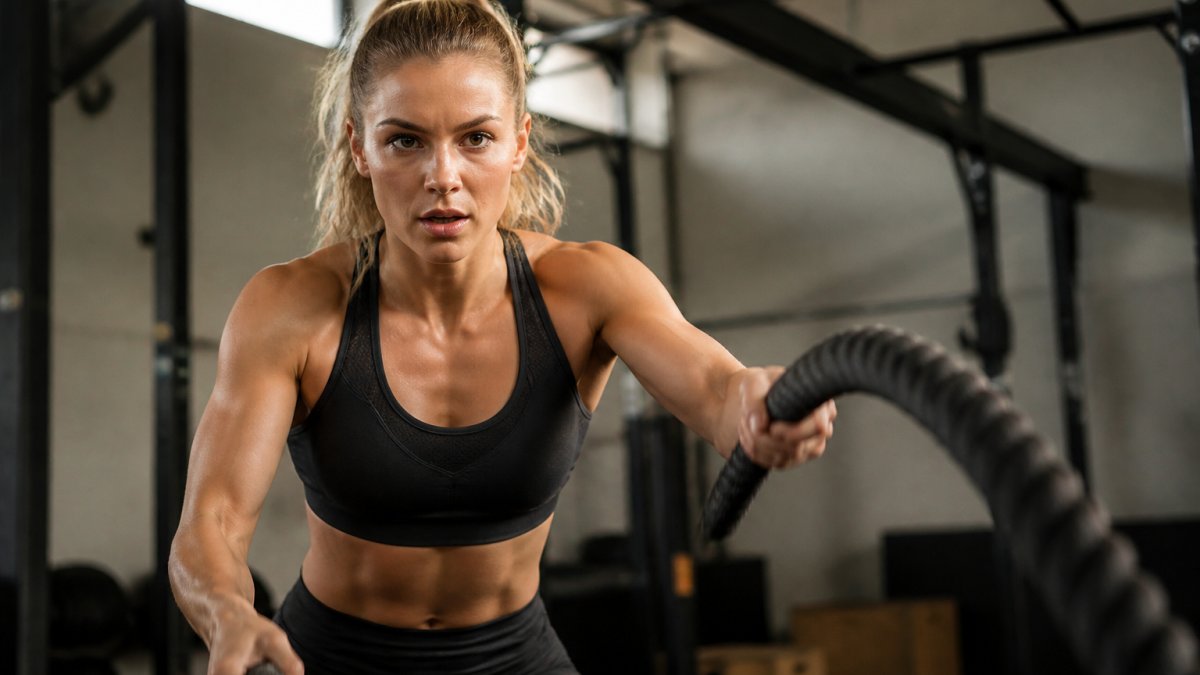
Your sports bra is the foundation of your entire workout outfit. Everything else, leggings, tops, layers, builds from this single piece. If your sports bra doesn't fit properly or provide adequate support, your entire session suffers.
Proper sports bra fit means the band sits level around your ribcage without riding up in the back. The straps should sit on your shoulders without slipping, and the cups should fully contain your breast tissue without spillage. The underwire (if present) should sit flat against your ribcage. When you jump, the bra should move with your body, not bounce independently. This is what proper fit actually feels like.
Support level matters enormously. Low-support bras suit gentle yoga or walking. Medium support works for steady-state cardio. High-support bras are essential for running, HIIT, and heavy lifting. The GrantB Core Sports Bra provides high support specifically engineered for serious athletes. The removable pads allow customisation for different activities. The adjustable straps ensure a secure fit regardless of your body shape.
Many women accept poor fit as normal. They tolerate straps that slip, bands that ride up, or cups that don't fully contain their breast tissue. This isn't normal, it's a sign your bra doesn't fit properly. When you find the right fit, the difference is immediate and obvious. Your shoulders feel lighter. Your back feels better. Your entire upper body feels supported rather than constrained.
Choosing Leggings That Stay in Place During Heavy Lifting
Leggings that slip down during heavy compound movements represent one of the most common frustrations among serious lifters. This problem isn't inevitable, it's a sign you're wearing leggings designed for casual wear rather than performance training.
Leggings that stay in place during heavy lifting require specific design features. The waistband must be high-waisted, sitting at or above your natural waist rather than low on your hips. The fabric must provide enough compression to support the garment against your body without restricting movement. The seam construction must be solid enough to withstand repeated stretching without degrading.
The GrantB Sculpt Leggings are specifically designed for this challenge. The high-waisted supportive waistband stays securely in place during squats, deadlifts, and all heavy compound movements. The dense, premium 78% nylon, 22% elastane fabric provides gentle compression that supports both your muscles and the garment itself. The squat-proof construction means you get confident coverage during deep ranges of motion.

During heavy lifting, your body moves through extreme ranges of motion. Your hips flex deeply during squats. Your legs extend fully during deadlifts. Your body rotates during overhead movements. Your leggings need to accommodate all of this without sliding. Cheap elastic breaks down quickly under this stress. Poor-quality seams fray. Inadequate waistband height means the garment simply can't stay in place.
Many lifters waste money buying multiple pairs of leggings hoping one will finally stay in place. The solution isn't buying more, it's buying the right construction. Quality leggings designed specifically for heavy lifting solve this problem permanently.
Benefits of Compression Gymwear for Recovery and Performance
Compression garments provide measurable benefits for both performance during training and recovery afterwards. The gentle pressure supports your muscles, improves blood flow, and reduces muscle oscillation during movement.
During training, compression reduces the work your stabiliser muscles must do. Your legs don't have to work as hard to stabilise themselves during explosive movements. This means your primary movers can focus entirely on the lift. Over a full session, this compounds into improved performance and reduced fatigue.
After training, compression supports recovery by improving circulation and reducing inflammation. The gentle pressure helps flush metabolic waste from your muscles while delivering oxygen-rich blood to support repair. Many athletes notice reduced soreness and faster recovery when wearing compression garments post-workout.
The GrantB Sculpt Set combines supportive compression with the breathable, moisture-wicking fabric you need during training. The compression level is calibrated for performance rather than clinical recovery, it supports your muscles without feeling restrictive. The four-way stretch ensures the compression adapts to your movements rather than limiting them.
Layering for Temperature Control and Comfort
Layering allows you to regulate your body temperature throughout your workout and transition seamlessly into daily life. This is especially valuable for those who train early morning or late evening when temperatures fluctuate, or for athletes who need to move from air-conditioned gyms into outdoor environments.
The foundation layer should be moisture-wicking fabric that pulls sweat away from your skin. This keeps you dry and prevents the uncomfortable clammy feeling that breaks concentration. The GrantB Core Sports Bra and Sculpt Leggings work perfectly as foundation layers because their fabric technology actively manages moisture rather than absorbing it.
Mid-layers provide insulation without bulk. A lightweight, breathable long-sleeve top works well for cooler sessions. The fabric should still be moisture-wicking because you'll generate heat during your workout. Avoid cotton, which absorbs sweat and holds it against your skin.
Outer layers provide wind and weather protection without sacrificing breathability. A technical jacket designed for athletic use works better than a casual hoodie because it won't trap moisture against your body as you warm up.
The beauty of quality layering is that each piece works independently and together. Your GrantB leggings provide support and moisture management whether worn alone or under track pants. Your sports bra maintains its support whether worn alone or under a long-sleeve top. This flexibility means you can adapt your outfit to temperature and activity without compromising performance.
Avoiding Chafing and Irritation: Seam Construction and Fabric Choice
Chafing represents one of the most preventable yet common sources of workout discomfort. Understanding the biomechanics of friction and the specific design features that prevent it transforms this from an unavoidable annoyance into a solved problem.
How chafing actually develops. Chafing occurs when repeated friction between fabric and skin breaks down the skin's protective barrier. This happens most commonly in areas of high movement and moisture: inner thighs during running or cycling, underarms during pressing movements, the band area of sports bras during jumping, and anywhere skin folds create pressure points.
Range of Motion and Four-Way Stretch: What You Need to Know
Four-way stretch fabric stretches in all directions, vertically, horizontally, and diagonally. This matters because your body doesn't move in straight lines. During squats, your hips flex while your knees extend. During yoga, your body moves through multiple planes simultaneously. During climbing or complex movements, your limbs move in directions that two-way stretch fabric simply can't accommodate smoothly.
Signs Your Workout Gear Has Lost Its Elasticity
Quality activewear doesn't last forever, but it should last considerably longer than cheap alternatives. Recognising when your gear has genuinely lost its elasticity helps you know when to replace it rather than continuing to wear compromised equipment.
Durability and Fabric Longevity: Investing in Quality That Lasts
Durability isn't just about how long your gear lasts, it's about how consistently it performs throughout its lifespan. Cheap activewear might feel acceptable when new, but performance degrades rapidly. Quality gear maintains its support, fit, and appearance through hundreds of washes.
Sustainability and Ethical Fabric Choices in Modern Activewear
Modern athletes increasingly care about where their gear comes from and how it's produced. Sustainable and ethical fabric choices matter both for environmental impact and for supporting responsible manufacturing practices.
Inclusive Sizing and Body-Type Specific Support
Activewear designed for "one size" or limited sizing inevitably fits poorly for many body types. Real inclusive sizing means offering genuine options across a full range of sizes and understanding that support needs vary based on body composition.
Building Your Supportive Workout Wardrobe on a Budget
Building a quality activewear wardrobe doesn't require unlimited spending, but it does require a different mindset than fast-fashion shopping. Rather than buying many cheap pieces, the budget-conscious approach is buying fewer premium pieces that last years and perform consistently. This strategy costs less over time and eliminates the frustration of gear that fails mid-workout.
Frequently Asked Questions
What features should I look for in supportive workout gear?
Prioritise four-way stretch fabric, moisture-wicking technology, and secure waistbands that stay in place during movement. Look for high-impact support if you're doing cardio or running, and ensure seams are flatlock construction to prevent chafing. The fabric composition matters, 78% nylon with 22% elastane blends provide durability and stretch recovery. Check that the fit is snug but not restrictive, allowing full range of motion whilst providing compression support.
Is high-impact support worth it for yoga?
Yes, high-impact support benefits yoga practitioners significantly. Even though yoga isn't high-impact, the supportive structure helps maintain proper alignment during complex poses, prevents unwanted movement during inversions, and provides confidence when holding challenging positions. High-support sports bras with adjustable straps and engineered underwire offer lift and stability without restricting your breathing or movement, making them ideal for both dynamic flows and static holds.
What are the benefits of compression gymwear?
Compression gymwear improves blood circulation, reduces muscle vibration during intense exercise, and supports faster recovery by stabilising muscles during and after workouts. It enhances proprioception, your body's awareness of position and movement, which improves form during compound movements like squats and deadlifts. Additionally, compression fabric provides a sculpting fit that boosts confidence whilst delivering functional support, making it ideal for serious gym-goers tackling heavy lifting.
How do I know if my workout gear provides enough compression?
Compression gear should feel snug and supportive without cutting off circulation or restricting breathing. When you move, the fabric should move with you rather than bunching or sliding. Test compression during your actual workout, perform squats, lunges, and cardio movements to ensure the waistband stays secure and the fabric maintains its shape. If leggings slip down during heavy lifting or a sports bra shifts during running, the compression isn't sufficient for your needs.
How often should I replace my workout gear for optimal support?
Replace workout gear when elasticity visibly declines, typically after 12-18 months of regular use if washed frequently. Signs include sagging waistbands, loss of shape, reduced stretch recovery, or visible pilling and wear. If you train intensely 4-5 times weekly, expect shorter lifespan than casual users. Premium fabrics with high elastane content maintain support longer, making them a better long-term investment despite higher upfront costs.
What's the difference between moisture-wicking and breathable fabrics?
Moisture-wicking actively pulls sweat away from your skin to the fabric's outer layer where it evaporates, keeping you dry during intense workouts. Breathable fabrics allow air circulation through the material, regulating temperature and preventing heat buildup. High-performance activewear combines both: moisture-wicking synthetic blends (like nylon-elastane) wick sweat whilst maintaining breathability. This dual function keeps you comfortable whether you're doing cardio, strength training, or yoga.
Can supportive workout gear actually improve athletic performance?
Yes, properly fitted supportive gear improves performance by reducing energy loss from muscle vibration, enhancing proprioception for better form, and boosting confidence during challenging movements. A secure sports bra eliminates bounce and distraction, allowing you to focus on technique. High-waisted leggings with compression support stabilise your core during compound lifts, potentially improving strength output. The psychological boost from wearing gear that fits well and performs reliably also matters, confidence translates to better workouts.