

How to Layer Gym Clothes for Winter: A Complete Guide
Table of Contents
- Understanding the Three-Layer System for Winter Workouts
- Choosing the Right Base Layer
- Selecting Mid-Layer Insulation
- Adding Outer Shell Protection
- How to Dress for Outdoor Winter Running
- Managing Sweat and Preventing Overheating
- Transitioning Between Warm-Up and Intense Effort
- Laundry and Care Tips for Layered Gym Clothes
- Budget-Friendly Layering Hacks
- Common Mistakes to Avoid When Layering
- Frequently Asked Questions
Last Updated: October 4, 2026
Understanding the Three-Layer System for Winter Workouts
The three-layer system is the foundation of effective cold-weather training. Each layer serves a specific purpose: the base layer manages moisture, the mid-layer traps warmth, and the outer shell protects against wind and rain. Together, they create a microclimate that keeps you dry, warm, and comfortable during intense winter workouts.
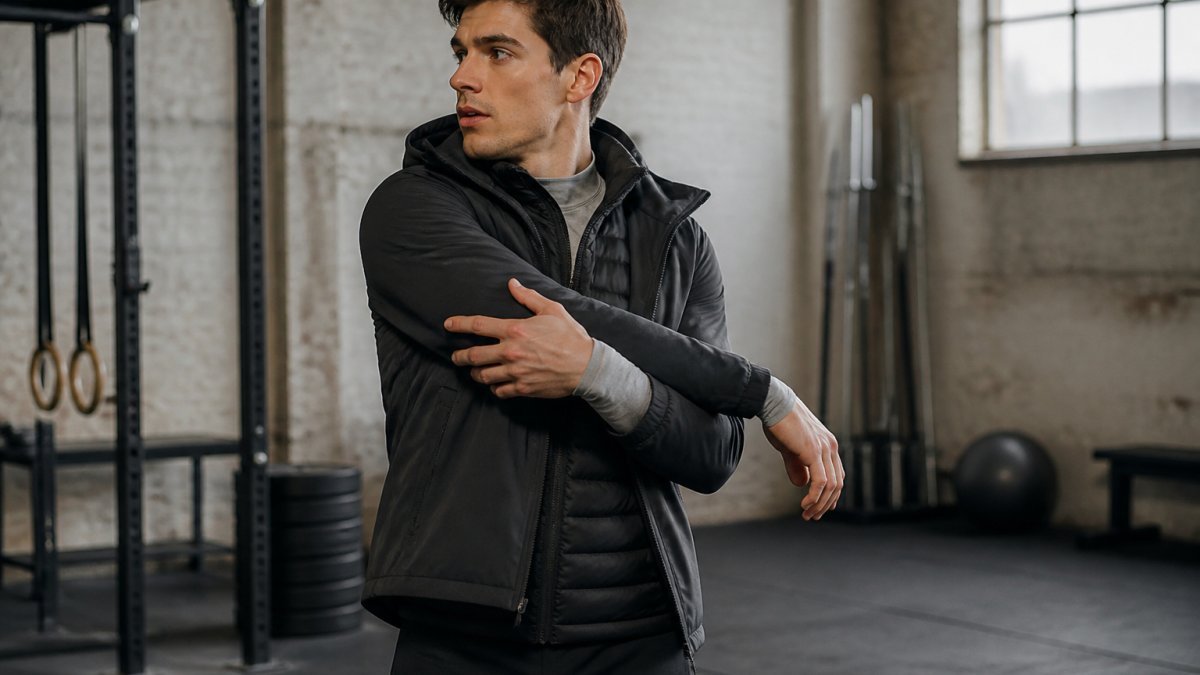
Why layering matters in cold conditions
When you exercise in cold weather, your body generates heat but also loses it rapidly. A single thick layer traps sweat against your skin, making you cold and uncomfortable. Multiple thinner layers move sweat away from your body while keeping warmth in, preventing the dangerous combination of moisture and cold that leads to rapid heat loss. Your base layer pulls sweat away from skin, your mid-layer holds warmth, and your outer shell blocks wind and rain.
How each layer works together
The base layer keeps moisture off your skin, the mid-layer traps warm air in fabric pockets, and the outer shell protects against harsh conditions. Air pockets between layers create insulation; when you move, these layers shift slightly to regulate temperature. Tight-fitting base layers are essential, they must stay close to your skin to move moisture effectively.
Choosing the Right Base Layer
Your base layer is the most critical piece when you layer gym clothes winter, as it sits directly against your skin. It sits directly against your skin and determines whether sweat moves away or stays trapped. The right base layer keeps you dry, which keeps you warm. The wrong one leaves you cold and uncomfortable.
Moisture-wicking fabrics vs. cotton
Cotton absorbs sweat and holds it against your skin, making you cold fast and staying wet for hours. Moisture-wicking fabrics actively pull sweat away from your skin and dry quickly. Athletes who switch from cotton to technical fabrics report feeling warmer and more comfortable immediately.
Best moisture-wicking fabrics for winter training
Merino wool naturally regulates temperature and resists odour, but costs more than synthetics. Synthetic fabrics like polyester and nylon blends offer excellent moisture-wicking at lower prices and dry faster. For winter workouts, synthetic blends deliver reliable performance without premium cost. The GrantB Studio Vest uses 78% nylon and 22% elastane for excellent moisture-wicking and four-way stretch.

Selecting Mid-Layer Insulation
Your mid-layer traps warm air and provides insulation without bulk, creating the thermal barrier between your base layer and outer shell. Mid-layer selection differs significantly depending on whether you're training outdoors or in a cold gym environment.
Understanding gym-specific temperature challenges
Indoor gyms present a unique layering problem: a cold gym floor (15-18°C) combined with high-intensity exercise creates conflicting demands. You need insulation during warm-up and cool-down, but rapid heat generation during intense effort can cause overheating. Gym athletes experience sharp temperature swings between rest periods and high-intensity bursts, so your mid-layer must be thinner and more breathable than outdoor running layers.
Mid-layer fabric options and their trade-offs
Fleece (100-200 gsm) is affordable and works well for gyms, though lower-quality fleece loses insulation after washing. Synthetic insulation (80-150 gsm) offers similar warmth with better moisture management and packability. Wool blends provide excellent temperature regulation and odour resistance but cost more. Lightweight down is rarely ideal for gyms, it compresses under pressure and loses effectiveness if damp.
Choosing the right weight for gym training
For gym workouts: 80-120 gsm for high-intensity training (HIIT, heavy lifting), 120-180 gsm for moderate-intensity workouts, 180+ gsm only for low-intensity sessions. If unsure, choose lighter, you can add shell layers but cannot easily remove an overly warm mid-layer.
Fit and movement considerations
Your mid-layer must fit comfortably without restricting movement. Look for: four-way stretch fabric for dynamic movements, fitted cut to keep the layer close to your body, thumb holes or cuff design to prevent sleeve riding, and pit zips or ventilation panels to release heat during intense effort.
Layering combinations for different gym conditions
For a cold gym (15-18°C) with high-intensity training: moisture-wicking base layer + 80-120 gsm synthetic or fleece mid-layer + breathable shell.
For a cold gym with moderate-intensity training: moisture-wicking base layer + 120-160 gsm wool blend or synthetic mid-layer + shell.
For a very cold gym (below 15°C) with low-intensity sessions: moisture-wicking base layer + 160-180 gsm mid-layer + insulated shell.
Remember: you can always remove your mid-layer and tie it around your waist or leave it in your gym bag during intense effort. This flexibility is why mid-layer selection matters more than outer shell choice for gym training.
Adding Outer Shell Protection
Your outer shell protects against wind and rain while allowing moisture vapour to escape. Look for water-resistant coating, breathable fabric, sealed seams, and ventilation options like zips or pit zips. The GrantB Performance Jacket combines breathable, moisture-wicking fabric with 78% nylon and 22% elastane for durability and four-way stretch. Weight matters, modern technical shells are surprisingly light while providing excellent protection.

How to Dress for Outdoor Winter Running
Start with a moisture-wicking base layer, add lightweight fleece or synthetic insulation, and wear a windproof, breathable outer shell with ventilation options. Start slightly cool before running; if you feel warm in the first five minutes, you've overdressed. Protect extremities with dexterous gloves, a lightweight hat, and moisture-wicking socks.
Managing Sweat and Preventing Overheating
Overheating is common because people overdress. Start slightly cool and let your body warm up during the first five to ten minutes. Your base layer must move sweat away effectively. Ventilation options in your mid-layer and shell give you temperature control. Pay attention to your body, if you're sweating heavily, you've overdressed; if shivering, add a layer.
Transitioning Between Warm-Up and Intense Effort
The transition from warm-up to intense effort is where many gym athletes struggle with temperature management. Your body temperature can rise 2-3°C within the first few minutes of high-intensity effort, creating a mismatch with your initial layering.
Why the warm-up-to-effort shift is challenging
During warm-up, you generate 50-60% of the heat you'll produce during intense effort, so you'll feel coldest then. Once you begin your main workout, your metabolic rate spikes and you'll overheat rapidly if wearing all three layers. Plan your layers so you can adjust them quickly without stopping.
Strategic layering for smooth transitions
Start with all three layers during warm-up (5-15 minutes). Choose a mid-layer with a full-length zip or open-front design for quick removal. Unzip it as you transition to intense effort, then remove it 2-3 minutes in when your heart rate stabilises. Keep your shell on throughout, it's thin enough not to cause overheating and provides protection.
Timing your layer adjustments
Here's a practical timeline for a typical gym session:
Minutes 0-5 (warm-up): All three layers on. Perform dynamic stretching, light cardio, or movement preparation. You should feel slightly cool, not comfortable. This is correct.
Minutes 5-10 (transition to main effort): Begin your main workout. If you're doing strength training, complete your first 1-2 sets. If you're doing cardio or circuits, complete your first 2-3 minutes of effort. During this phase, your body temperature is rising but hasn't peaked yet.
Minutes 10-15 (main effort established): Once your heart rate has stabilised at your working intensity and you can feel your body generating significant heat, remove your mid-layer. This is typically 5-10 minutes into your main workout, depending on the intensity. You should feel warm but not yet sweating heavily.
Minutes 15+ (sustained effort): Continue your workout in base layer and shell only. You'll maintain comfortable temperature throughout your main set. If you start feeling cold (unusual but possible in very cold gyms), you can put your mid-layer back on, it's nearby and accessible.
Managing the cool-down transition
The cool-down transition is equally important. As your intensity drops and your heart rate decreases, your metabolic heat production falls sharply. You'll cool rapidly, especially if you're sweating.
Put your mid-layer back on immediately after your main effort ends. Don't wait until you feel cold; by then, you've already begun losing heat. As soon as you transition to cool-down (stretching, light walking, or recovery work), put your mid-layer back on. Your body is still warm from effort, so the layer will feel comfortable immediately.
Keep moving during cool-down. Gentle movement maintains some heat production and prevents rapid core temperature drop. Avoid sitting still in a cold gym during cool-down; the combination of reduced metabolic heat and environmental cold will make you uncomfortable and increase muscle stiffness.
Consider a dedicated cool-down layer. Many gym athletes keep a lightweight hoodie or additional fleece layer in their gym bag specifically for cool-down. This layer is separate from your mid-layer and is worn only during recovery. It's comfortable, easy to remove once you leave the gym, and transitions well into casual wear. This approach prevents you from wearing a damp mid-layer during cool-down, which can feel uncomfortable and slow heat recovery.
Practical adjustments for different workout types
Strength training: Remove your mid-layer after your first 2-3 working sets (typically 10-15 minutes in). Strength training generates steady heat but with rest periods between sets. You may feel slightly cool during rest periods, but this is normal and prevents overheating during your working sets.
High-intensity interval training (HIIT): Remove your mid-layer after your first 2-3 intervals. HIIT generates rapid heat spikes, so you'll overheat quickly if you're wearing all three layers. The shell alone provides adequate protection during intense bursts.
Steady-state cardio: Remove your mid-layer after 10-15 minutes of running, cycling, or rowing. Continuous moderate-to-high intensity generates consistent heat, so you'll reach comfortable temperature faster than with strength training.
Low-intensity sessions (mobility, stretching, recovery days): Keep your mid-layer on throughout. These sessions generate minimal metabolic heat, so you'll stay comfortable with full layering. You may never need to remove your mid-layer during a recovery session.
Preventing common transition mistakes
Don't remove all layers at once. Removing your mid-layer and shell simultaneously leaves you in just your base layer, which provides no insulation. Keep your shell on; it's breathable enough not to cause overheating and provides protection.
Don't wait until you're uncomfortably hot to remove layers. If you wait until you're sweating heavily, you've overdressed. Remove your mid-layer when you feel warm but before sweat production becomes excessive.
Don't leave your mid-layer on the gym floor. Place it on a bench, in your locker, or in your gym bag. Leaving it on the floor creates a tripping hazard and can get dirty or damp.
Don't skip the cool-down layer transition. This is where many athletes fail. You feel warm after intense effort and think you don't need your mid-layer during cool-down. In reality, your body is cooling rapidly, and the mid-layer prevents uncomfortable chilling and muscle stiffness.
Laundry and Care Tips for Layered Gym Clothes
Technical fabrics require different care than regular cotton clothes. Proper washing extends the life of your gear and maintains performance.
Wash moisture-wicking base layers inside out to protect the surface. Use cold water and avoid fabric softeners, they clog the fibres and reduce moisture-wicking performance. Softeners make your clothes feel nice initially but destroy their functionality over time.
Dry technical fabrics on low heat or air dry. High heat damages elastane and synthetic fibres, reducing stretch and durability. Many athletes air dry their base layers to preserve performance.
For mid-layers and shells, follow manufacturer instructions carefully. Some fleece can be machine washed, while others require gentle handling. Shells with water-resistant coatings need occasional re-treatment to maintain their protective properties.
Avoid washing all your layers together. Zips and velcro on shells can snag delicate base layer fabrics. Separate by type and wash accordingly.
Store clean, dry layers in a cool place. Don't leave damp gear in your gym bag, this promotes mould growth and odour. Wash your layers regularly, especially base layers that contact your skin directly.
| Layer Type | Washing Method | Drying Method | Frequency |
|---|---|---|---|
| Base Layer | Cold water, inside out, gentle cycle | Air dry or low heat | After each use |
| Mid-Layer | Follow care tag, cold water | Low heat or air dry | Every 2-3 uses |
| Outer Shell | Cold water, gentle cycle | Air dry | Every 3-5 uses |
Budget-Friendly Layering Hacks
You don't need expensive gear to layer effectively for winter workouts. Smart shopping and strategic choices save money without sacrificing performance.
Start with affordable synthetic base layers rather than premium merino wool. Polyester and nylon blends perform excellently and cost a fraction of merino prices. You'll get reliable moisture-wicking performance at budget-friendly prices.
Buy versatile pieces that work in multiple seasons. A lightweight synthetic mid-layer works for winter workouts and cool-weather training in other seasons. This extends the value of each piece you buy.
Look for sales on technical fabrics. Many retailers, including GrantB Sportswear, offer promotional pricing on quality gear. Building your layering system during sales stretches your budget significantly. The GrantB Sculpt Leggings at £34.99 and GrantB Studio Vest at £19.99 provide excellent performance at accessible prices.

Mix brands strategically. You don't need matching sets from one brand. A base layer from one company, mid-layer from another, and shell from a third works perfectly as long as each piece performs its function well.
Borrow or swap gear with training partners. If you have friends with similar body types, you can share mid-layers and shells for different workouts. This reduces the total investment across your group.
Consider starting simple with just base layer and shell, then adding mid-layers as your budget allows. This phased approach builds your system over time without overwhelming expense.
Common Mistakes to Avoid When Layering
The biggest mistake is wearing cotton. Cotton feels comfortable initially but fails in winter workouts. Switch to technical fabrics immediately and you'll notice the difference.
Overdressing is the second major mistake. People see cold weather and bundle up excessively. Remember that you generate significant heat during exercise. Start slightly cool and let your body warm up naturally.
Wearing layers that are too tight restricts movement and blood circulation. Your layers need to fit comfortably over each other without compressing your body. Look for four-way stretch fabrics that move with you during dynamic exercises.
Ignoring the mid-layer is a common error. Some people think they can get away with just base layer and shell. The mid-layer is essential for trapping warmth and creating insulation. Don't skip it.
Choosing the wrong fabrics for your base layer ruins the entire system. Anything that absorbs and holds moisture will make you cold. Stick with synthetic or merino wool options that actively wick moisture away.
Failing to adjust layers during your workout prevents proper temperature management. Your layering system only works if you can modify it as conditions and intensity change. Choose pieces you can remove or add easily.
Washing technical fabrics incorrectly damages their performance. Fabric softeners, high heat, and aggressive washing all reduce moisture-wicking ability. Follow care instructions carefully to maintain functionality.
Not planning for cool-down leaves you vulnerable to rapid heat loss. Have your mid-layer and shell ready to put back on immediately after intense effort. This prevents muscle stiffness and maintains comfort during recovery.
When you layer gym clothes winter, the system is straightforward once you understand how each layer works and demand thoughtful consideration. Start with a moisture-wicking base layer, add insulation in your mid-layer, and protect yourself with a breathable outer shell. This combination keeps you dry, warm, and comfortable through any winter training session.
At GrantB Sportswear, we've designed our collections specifically for athletes who demand reliable performance without compromise. Our moisture-wicking fabrics pull sweat away from your skin, our mid-layers trap warmth efficiently, and our outer shells protect you from harsh conditions. The GrantB Performance Jacket provides breathable, moisture-wicking protection with four-way stretch and secure pockets. The GrantB Sculpt Leggings deliver moisture-wicking performance with a supportive high waistband that stays in place during movement. Get started with GrantB Sportswear and experience the difference that proper layering makes in your winter training.
Frequently Asked Questions
What's the best way to layer gym clothes for winter without overheating?
Use a three-layer system: start with a moisture-wicking synthetic base layer that pulls sweat away from skin, add a breathable mid-layer for insulation, and finish with a removable outer shell. Choose fabrics with ventilation properties and remove layers as your body temperature rises during your workout. This approach keeps you warm during the warm-up phase while allowing flexibility as intensity increases.
Should I wear cotton or synthetic fabrics for winter gym workouts?
Synthetic fabrics and merino wool are superior to cotton for winter training. Cotton absorbs moisture and loses insulation when damp, leaving you cold and uncomfortable. Synthetic fibres like nylon and polyester wick sweat away from your skin and dry quickly, maintaining thermal regulation throughout your session. Merino wool offers natural temperature control and odour resistance, making it excellent for winter gym clothes.
How do I know if I'm wearing too many layers?
You should feel slightly cool during your warm-up phase. Once your heart rate elevates and you begin sweating, you should feel comfortable without excessive heat. If you're sweating heavily within the first 10 minutes, you're over-layered. Choose breathable fabrics with moisture-wicking properties so you can maintain body temperature control. The GrantB Sculpt Leggings and Studio Vest are designed with four-way stretch and breathable fabric to keep you comfortable as intensity increases.
What's the best moisture-wicking fabric for winter gym clothes?
Synthetic blends like 78% nylon and 22% elastane offer excellent moisture-wicking and quick-drying properties ideal for winter training. This composition delivers thermal regulation while maintaining durability and stretch. Merino wool is another top choice for natural moisture management and temperature control. Avoid pure cotton, which absorbs sweat and reduces insulation. Look for fabrics explicitly designed for performance and sweat management when selecting your winter gym wardrobe.