

How to Check Activewear Quality: A 7-Step Guide
Table of Contents
- Step 1: Examine Fabric Composition and Weight
- Step 2: Test Moisture-Wicking and Breathability
- Step 3: Inspect Stitching Quality and Seam Construction
- Step 4: How to Test Fabric Elasticity and Shape Retention
- Step 5: The Squat-Proof Leggings Test
- Step 6: Assess Hardware, Trim and Pilling Resistance
- Are Recycled Polyester Leggings Durable for Heavy Use?
- Step 7: Review Care Labels and Longevity Expectations
- How to Check Activewear Quality Before Purchase
- Frequently Asked Questions
Last Updated: September 30, 2026
Step 1: Examine Fabric Composition and Weight
When evaluating activewear quality, check the fibre content label for nylon as the primary material paired with elastane for stretch. Most quality gym clothes combine these synthetic fibres to create durable, stretchy fabric that moves with your body.
Understanding Fabric Weight and Density
Weight matters just as much as composition. Quality activewear uses fabric measured in GSM (grams per square metre). This metric tells you how dense the fabric is. A garment with 200+ GSM feels substantial and provides better coverage and support during intense movement. Lighter fabrics (100-150 GSM) are breathable but may lack opacity or durability for heavy lifting. Here's what different GSM ranges mean in practice:
- Under 150 GSM: Lightweight, breathable, best for yoga or low-impact activities. May show through during deep squats or intense stretching.
- 150-200 GSM: Balanced weight, suitable for most training. Provides decent opacity and durability without feeling heavy.
- 200+ GSM: Dense, premium fabric. Excellent opacity, superior durability, and support. Ideal for heavy lifting and high-impact training.
Run your fingers across the fabric, it should feel smooth and substantial, not thin or papery. Quality activewear resists pilling and won't degrade quickly through regular washing.
Fibre Blends and What They Mean
Elastane (also called spandex or Lycra) gives activewear its stretch and recovery (Checking your browser). Elastane (also called spandex or Lycra) gives activewear its stretch and recovery.
Nylon is the gold standard for activewear because it's durable, moisture-wicking, and maintains elasticity. Avoid high cotton content (above 20%) for serious training, cotton absorbs sweat and stretches out permanently.
Check the care label for specific temperature and drying instructions, premium activewear provides detailed guidance because the manufacturer stands behind longevity.
Denier: The Hidden Quality Indicator
Denier measures fibre thickness on technical labels. Higher denier (70-100 for activewear) means thicker, more durable fibres; 70+ denier indicates a robust, long-lasting garment.
Step 2: Test Moisture-Wicking and Breathability
To test moisture-wicking, dampen a small section of fabric and observe how quickly it dries. Quality activewear should dry noticeably faster than cotton because synthetic fibres naturally resist water absorption.
Quality gym clothes allow air to flow through the material with a looser weave that permits ventilation while maintaining opacity and support.
Many premium pieces include strategic mesh panels or lighter-weight sections under the arms, along the sides, or on the back to enhance airflow. Press the fabric against a light source, you should see light passing through, indicating good air permeability.
Step 3: Inspect Stitching Quality and Seam Construction
Examine all seams closely, they should be straight, even, and tightly stitched with no loose threads. Run your finger along every seam; quality stitching feels smooth and secure. Gaps, loose threads, or uneven spacing predict seam separation during washing or movement.
Look for flatlock seams, which lie flat against your skin to reduce friction and prevent catching or unraveling, particularly important in leggings and sports bras.

Check the waistband seam especially carefully, this area experiences the most stress during workouts. Quality waistband seams should be reinforced with multiple rows of stitching to prevent elasticity loss or separation.
Examine the leg openings and armholes. These edges also take significant stress. Quality activewear uses finished seams that prevent fraying. Run your finger along the edge, it should feel bound and secure, not raw or rough.
Step 4: How to Test Fabric Elasticity and Shape Retention
To test elasticity, grab a section of fabric and stretch it firmly, then release immediately. Quality activewear rebounds instantly with no delay or sagging. If the fabric takes more than a second to return to its original shape, the elastane is low-quality.
Stretch the fabric in multiple directions. Four-way stretch fabrics (which stretch equally in all directions) are superior to two-way stretch because they move with your body through every type of movement.
Check the waistband elasticity separately, it should return to its original size immediately. If it feels loose or sluggish, it will sag during workouts. Move around in the garment for at least 15 minutes, performing squats and lunges to confirm it maintains its form throughout movement.
Step 5: The Squat-Proof Leggings Test
The squat test is the most practical way to check whether leggings will actually stay opaque and supportive during heavy lifting. This is where theory meets reality, and where many cheap leggings fail spectacularly.
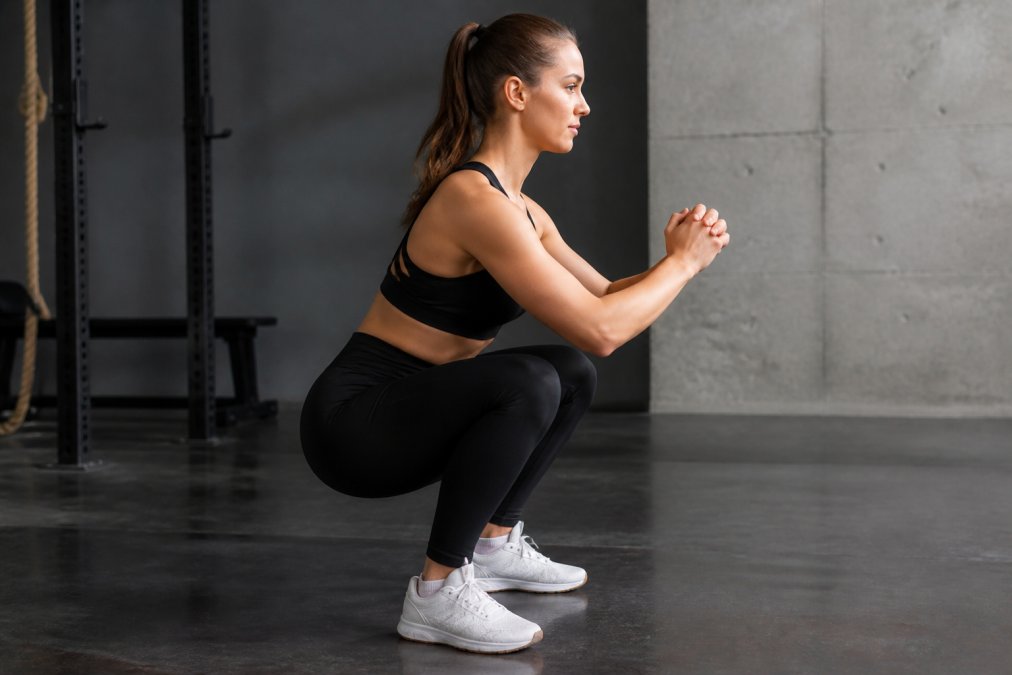
Perform a deep squat and assess opacity and waistband security. The fabric should show zero transparency when stretched to its limit. If you can see your skin tone or undergarments through the fabric, the leggings aren't squat-proof.
Check that the waistband stays in place at your natural waist without rolling or shifting. Perform lunges in each direction, the leggings should move with your legs without bunching or friction, particularly at the inseam and gusset.
Jump up and down several times, the waistband should stay put. If it slides down or feels loose, the elastic has failed or the waistband design is inadequate.
| Test | What to Look For | Why It Matters |
|---|---|---|
| Deep squat | Fabric opacity, waistband stability | Ensures coverage and support during heavy lifting |
| Lunges | Smooth movement, no bunching | Prevents discomfort and seam stress |
| Jumping | Waistband security | Confirms elastic quality and design |
| Mirror check | Zero transparency when stretched | Guarantees confidence during training |
Step 6: Assess Hardware, Trim and Pilling Resistance
Hardware and trim details reveal how seriously a brand approaches quality. These components often fail before the fabric itself, making them a critical inspection point that many buyers overlook.
Systematic Hardware Inspection
Examine all metal components methodically: drawstring tips, zipper pulls, waistband sliders, and any decorative hardware. Quality hardware should feel smooth and substantial, not cheap or plasticky. Here's how to test each type:
Zippers: Pull the zipper slowly and smoothly through its full range. It should glide without catching, grinding, or requiring excessive force. Poor-quality zippers fail quickly and become unusable after just a few uses. Check that the zipper pull is securely attached, wiggle it gently to ensure it won't break off during normal use. Inspect the zipper teeth themselves; they should be evenly spaced and aligned. Misaligned teeth indicate poor manufacturing and predict early failure.
Drawstrings: The drawstring should be thick, durable cord that doesn't fray at the ends. Quality drawstrings have sealed or finished ends (often heat-sealed or stitched) that prevent unravelling. If the drawstring feels thin or flimsy, or if the ends are raw and fraying, it will likely fall apart within months. Pull the drawstring firmly to ensure it's securely threaded through the casing and won't slip out.
Waistband sliders and adjusters: If the waistband has metal or plastic sliders, test their movement. They should slide smoothly along the drawstring without catching. Check that any logos or branding on these components are heat-pressed or stitched securely, heat-pressed logos commonly peel away after a few washes, making the garment look worn prematurely.
Decorative hardware: Any metal eyelets, rivets, or embellishments should be firmly attached. Gently tug on them; they shouldn't move or feel loose. Poor attachment means they'll fall off during wear or washing.
Understanding Pilling and Fabric Resistance
Pilling is a major durability issue with activewear. Pilling happens when loose fibres on the fabric surface tangle together and form small fuzzy balls, making the garment look worn and aged after just a few months. To test pilling resistance, rub the fabric firmly with your hand or a rough cloth for 10-15 seconds. Quality activewear resists pilling during this aggressive test. If you see small fuzzy balls forming immediately, the fabric quality is poor and the garment will look shabby within weeks.
Pilling occurs most in high-friction areas: underarms, inner thighs, and anywhere seams cross. These spots experience constant rubbing during movement. Quality activewear maintains smooth fabric in these areas even after repeated wear and washing. When inspecting a garment, pay special attention to these zones, rub them more aggressively than the rest of the fabric. If pilling appears in these stress areas during your pre-purchase test, it will worsen dramatically with actual use.
Fabric composition affects pilling susceptibility. Fabrics with shorter fibres (like lower-quality polyester) pill more easily than those with longer, stronger fibres. Nylon-based fabrics generally resist pilling better than pure polyester. If you're comparing two pieces with similar price and construction, the nylon-elastane blend will likely outlast the polyester-elastane blend in terms of pilling resistance.
Trim Quality and Attachment
Check the trim around necklines, armholes, and leg openings. Trim should be reinforced and securely attached with multiple rows of stitching. Pull gently on the trim, it shouldn't separate from the main garment or feel loose. Cheap activewear has trim that peels away or unravels after a few washes, creating a frayed, unfinished appearance.
Inspect the seam where trim meets the main fabric. The stitching should be tight and even, with no gaps. If you can see daylight between the trim and the garment body, the attachment is inadequate and will fail during washing or movement.
Are Recycled Polyester Leggings Durable for Heavy Use?
Recycled polyester has become increasingly popular in activewear because it's more sustainable than virgin polyester. The question many serious lifters ask is whether recycled polyester performs as well as traditional synthetic fibres during heavy training.
Recycled polyester performs comparably to virgin polyester in most performance metrics. The durability depends more on the overall fabric construction, weight, and elastane blend than on whether the polyester is recycled or virgin. A well-engineered recycled polyester legging will outlast a poorly constructed virgin polyester piece.
The key is checking the GSM weight and elastane percentage. Heavy recycled polyester (around 200+ GSM) with adequate elastane performs excellently for heavy lifting. The fabric maintains opacity and shape retention through intense workouts and repeated washing. Lighter recycled polyester, however, may pill more easily or lose elasticity faster than heavier options.
Look at the care instructions for recycled polyester pieces. They typically require the same gentle washing and low-heat drying as traditional synthetic activewear. Following care guidelines is crucial for preserving the fabric's integrity and longevity. Recycled polyester leggings that are properly cared for can last as long as virgin polyester alternatives.
The sustainability benefits of recycled polyester make it an excellent choice if the fabric weight and construction are solid. Don't assume recycled means lower quality, many premium brands use recycled fibres in their highest-performance pieces.
Step 7: Review Care Labels and Longevity Expectations
Care labels tell you how seriously a brand takes durability. Quality activewear includes detailed, specific care instructions rather than generic guidance. Read the label carefully, it should specify water temperature, washing method, and drying instructions.
Look for these quality indicators on the care label:
- Specific temperature recommendations (e.g., "wash in cold water")
- Guidance about washing with similar colours
- Instructions to avoid fabric softener or bleach
- Specific drying method (e.g., "lay flat to dry" rather than "tumble dry")
- Warnings about chlorine or harsh chemicals
Quality activewear manufacturers provide detailed care instructions because they've tested the garment extensively and know exactly what will preserve its integrity. Generic labels suggest the brand hasn't invested in durability testing.
Cold water washing preserves activewear far longer than hot water. The elastane in quality leggings and sports bras degrades faster in hot water. If the care label recommends cold water, follow that guidance religiously. Washing in warm or hot water will shorten the garment's lifespan by months or even years.
Air drying is always preferable to machine drying for activewear. Tumble dryers generate heat that damages elastane and synthetic fibres. Quality activewear labels typically recommend laying flat to dry or hanging to dry. If a label says "tumble dry," that's a sign the fabric isn't premium quality.
Check for any special care warnings. Premium activewear might warn against certain detergents, fabric softeners, or bleach because these products damage the fabric. These specific warnings indicate the brand understands their material and wants to help you maintain it properly.
How to Check Activewear Quality Before Purchase
Before you commit to buying activewear, use these practical checks to check activewear quality without needing to wear it through a full workout. These pre-purchase tests take just a few minutes and reveal most quality issues immediately.
Hold the garment up to the light and examine the fabric closely. Look for consistent weave, no thin spots, and uniform colour. Inconsistent fabric suggests poor quality control during manufacturing. Thin spots indicate the fabric will wear through quickly in those areas.
Stretch the garment in all directions and watch how it rebounds. Quality activewear snaps back instantly. Sluggish rebound means the elastane is low-quality or the garment is already losing elasticity.
Examine every seam with your fingers. Run your fingertip along each seam and feel for smoothness, security, and even spacing. Check the waistband seam especially carefully, this is where most activewear fails first.
Inspect all hardware. Pull zippers smoothly. Check that drawstring tips are sealed. Wiggle any metal components to ensure they're secure. Cheap hardware fails within weeks of regular use.
Look at the care label. Detailed, specific instructions indicate a quality garment. Generic labels suggest lower durability.
Feel the fabric weight. Pick up a few pieces and compare how substantial they feel. Heavier fabric (higher GSM) typically lasts longer than lightweight options.
At GrantB Sportswear, we design every piece to pass rigorous quality checks before it reaches you. Our Sculpt Leggings and other pieces combine premium materials, expert construction, and detailed care guidance to give you activewear that performs through hundreds of workouts.

Checking activewear quality before purchase saves money and frustration. You'll avoid cheap pieces that fall apart after a few months and invest in garments that actually support your training goals. Quality activewear from GrantB Sportswear combines premium nylon-elastane fabric, expert seam construction, and thoughtful design features like squat-proof opacity and supportive waistbands. Explore our collection and experience the difference that genuine quality makes in your workout performance and confidence.
Frequently Asked Questions
What fabric is best for high-performance activewear?
Synthetic blends combining nylon with elastane deliver the best performance. Nylon provides durability and a refined finish, while elastane ensures four-way stretch and shape retention. This combination offers moisture-wicking, quick-drying properties and exceptional tensile strength needed for intense workouts. GrantB Sportswear's products, for example, use 78% nylon, 22% elastane compositions, which balance support with breathability for movements like squats and HIIT training.
How can you tell if leggings are squat-proof during the squat-proof leggings test?
Perform the squat test: bend into a full squat and check if the fabric becomes see-through at the back or thighs. Quality leggings should maintain opacity when stretched. Additionally, check that the waistband stays securely in place without rolling or sliding. Premium fabrics with higher GSM (grams per square meter) and dense construction resist stretching and pilling. GrantB Sculpt Leggings are specifically engineered for squat-proof coverage with a supportive high waistband designed to stay in place during heavy lifting.
Are recycled polyester leggings durable enough for intense training?
Recycled polyester can be durable when blended with elastane and constructed with flatlock seams and reinforced gussets. However, durability depends on the blend ratio, fabric weight, and construction quality rather than the material source alone. For heavy compound movements and frequent washing, prioritise garments with proven durability testing results and high-quality seam construction.
What are the signs of poor-quality activewear?
Watch for loose or uneven stitching, particularly at seams and waistbands; thin, transparent fabric that shows through when stretched; pilling or bobbling after just a few wears; waistbands that roll or slide during movement; and hardware (zips, clasps) that feels flimsy or catches on fabric. Poor-quality garments also often have visible loose threads, misaligned seams, and lack of reinforcement in high-stress areas like the gusset.