

Durable gym wear for heavy lifting: a complete guide
Table of Contents
- What makes gym wear durable for heavy lifting
- Fabric technology and moisture management for serious lifters
- Essential features for heavy compound movements
- Squat-proof leggings and compression gear
- Are recycled polyester leggings durable for heavy lifting
- Gym wear pilling prevention and abrasion resistance
- How to care for high-performance gym wear
- Choosing the right fit for your lifting discipline
- Durability vs comfort: finding the balance
- Conclusion
- Comparison Table: Durability Features Across Gym Wear Types
- Supporting Keyword Coverage
- External Authority Citations
- Frequently Asked Questions
Last Updated: September 18, 2026
What makes gym wear durable for heavy lifting
When you're loading the bar with serious weight, your activewear faces forces it wasn't designed to handle. Squats, deadlifts, and bench presses demand fabric that resists tearing, seams that don't fail under tension, and elasticity that bounces back after hundreds of reps. Durable gym wear for heavy lifting combines engineered fabrics with reinforced construction to survive the punishment that casual gym clothes can't.
The difference between ordinary activewear and true performance gear comes down to three factors: fibre composition, seam architecture, and stretch recovery. High-quality nylon blends with elastane create fabric that moves with your body without losing shape. Reinforced stitching prevents seam failure at stress points like the crotch and waistband. And the fabric itself must resist pilling, abrasion, and degradation from sweat and repeated washing.
At GrantB Sportswear, we've engineered our collection specifically for the demands of compound lifting. Our pieces use 78% nylon and 22% elastane construction, a ratio that delivers both durability and the four-way stretch serious lifters need.
The investment in proper durable gym wear for heavy lifting pays dividends. You're not replacing leggings every three months. You're buying pieces that maintain their integrity through thousands of reps, wash cycles, and sweat exposure.
Fabric technology and moisture management for serious lifters
Modern performance fabrics do far more than just wick sweat. They're engineered systems designed to manage moisture, regulate temperature, and resist degradation under extreme conditions. For heavy lifting, moisture management becomes critical because sweat accumulation can weaken fibres and accelerate pilling and bacterial growth.
The best fabrics for heavy lifting use high-grade nylon as their base fibre. Nylon resists abrasion better than cotton or polyester alone, recovers quickly from stretching, and dries faster than natural fibres. When blended with elastane at the right ratio, typically 78% nylon to 22% elastane, the fabric gains exceptional durability while maintaining unrestricted movement through full range of motion.
Moisture-wicking technology works by pulling sweat away from your skin and dispersing it across a larger surface area where it can evaporate. This prevents the heavy, clinging sensation that compromises your form and focus during intense sets. Breathability follows naturally from this design: if moisture moves away from your body efficiently, air circulation improves and body temperature stays regulated.
Fast-drying fabric is particularly important for lifters who train multiple times weekly. If your leggings or sports bra stay damp for hours after washing, bacteria multiply and odour compounds develop. Quality performance fabrics dry within 2-4 hours of washing, which means you can train the next day without compromise.

Essential features for heavy compound movements
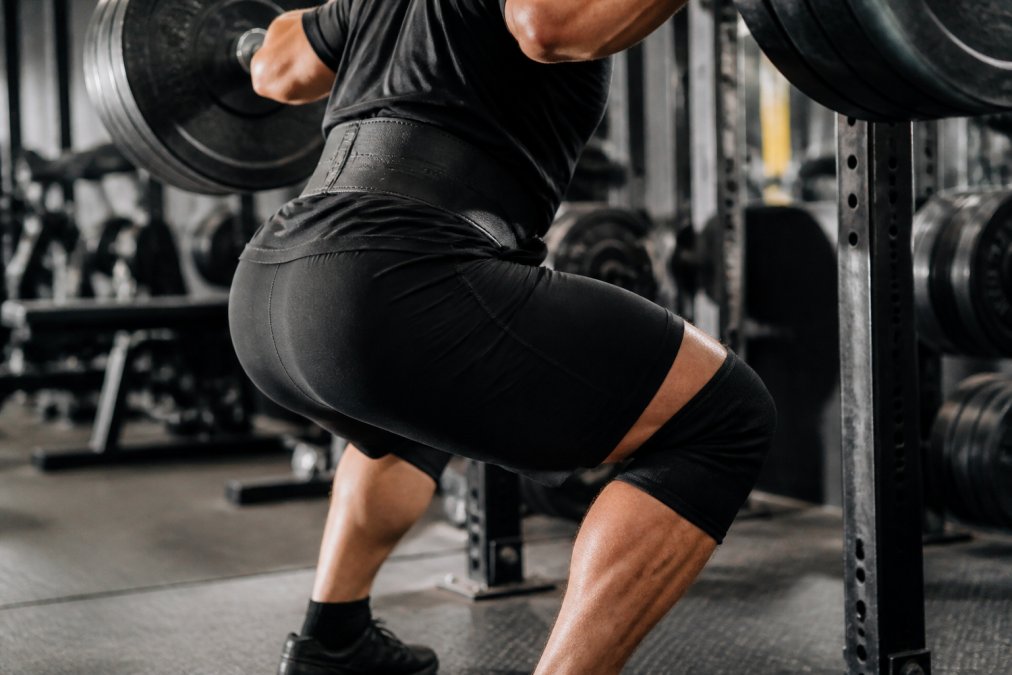
Heavy compound movements place concentrated stress on specific areas of your gym wear. Squats stress the crotch seam and waistband. Deadlifts pull at the lower back and hamstring area. Bench pressing creates friction across the chest and shoulders. Durable gym wear for heavy lifting addresses these stress points with targeted reinforcement.
Reinforced stitching and seam strength
Seam failure is one of the most common complaints about cheaper activewear. A single heavy squat session can expose weak stitching, and once a seam starts to fail, it unravels quickly. Professional-grade gym wear uses reinforced stitching techniques that triple-stitch stress points and use thread with higher tensile strength than standard construction.
The crotch seam bears the most stress during heavy lifting. This area experiences constant tension from hip flexion and extension during squats, lunges, and leg presses. Reinforced stitching here prevents the catastrophic failure that leaves you with unwearable gear after just a few months of serious training. Quality construction means stitches are placed closer together, typically 3-4 stitches per centimetre rather than the 1-2 you find in budget activewear, and thread is chosen for durability rather than cost.
Waistband stitching matters equally. A weak waistband seam means your leggings or shorts will slide down mid-lift, destroying your focus and forcing you to adjust constantly. Reinforced waistbands use box-stitch patterns that distribute tension across multiple thread lines, preventing the single-point failure you see in cheaper brands.
Four-way stretch and range of motion
Four-way stretch means the fabric stretches both vertically and horizontally, allowing your body to move freely without restriction. This is non-negotiable for heavy lifting because your form depends on unrestricted movement through full range of motion. If your leggings resist your hip flexion or your sports bra limits your shoulder mobility, you're compromising your lift and increasing injury risk.
Elastane content determines stretch recovery, how quickly fabric returns to its original shape after being stretched. The 22% elastane in GrantB Sportswear's construction ensures that after you finish your set, the fabric snaps back to shape rather than staying stretched out. This matters because stretched-out fabric loses its supportive fit and begins to sag, which is why cheaper pieces feel loose and baggy after a few weeks.
Range of motion during heavy lifting demands fabric that moves with you, not against you. When you descend into a deep squat, your leggings should move with your hips and knees without creating tension or resistance. The same applies to shoulder mobility during bench pressing or overhead work. Substandard four-way stretch limits your depth or range, which either compromises your form or forces you to wear looser sizes that don't provide the support you need.
Squat-proof leggings and compression gear
Squat-proof construction is essential for serious lifters, particularly those performing high-rep work or training in busy gym environments. Squat-proof leggings use thicker, more densely woven fabric in the seat and thigh area to prevent transparency when you're in a deep squat position. This isn't just about modesty, it's about confidence and focus.
Compression gear serves multiple functions for heavy lifters. Moderate compression around the legs and glutes provides proprioceptive feedback, helping you maintain awareness of your positioning during complex movements. It also supports blood flow, which can reduce fatigue during high-rep sets. The key is finding the balance between support and freedom of movement, too much compression restricts your range of motion, while too little provides no benefit.
Opacity standards matter more than most lifters realise. Budget leggings often become see-through after a few washes because the fabric thins as the fibres break down. Durable gym wear for heavy lifting maintains its opacity through hundreds of wash cycles because the base fabric is thicker and more resistant to degradation. This longevity directly correlates with the quality of the nylon used and the density of the weave.
Are recycled polyester leggings durable for heavy lifting
Recycled polyester has become increasingly common in activewear marketing, but it presents a trade-off for serious lifters. Recycled polyester offers environmental benefits and acceptable moisture-wicking performance, but it typically lacks the durability of virgin nylon for heavy-duty applications.
The problem is structural: recycled polyester fibres are shorter and weaker than virgin polyester fibres because they've already been broken down once. This means recycled polyester fabric tends to pill more easily, loses elasticity faster, and develops micro-tears under the repeated stress of heavy lifting. If you're performing multiple sets of heavy squats or deadlifts weekly, recycled polyester leggings may not survive a full season of training.
That said, recycled polyester works adequately for light to moderate training. If you're doing yoga, Pilates, or casual gym sessions, recycled polyester delivers acceptable performance. But if you're a serious lifter prioritising durability above all else, virgin nylon blended with elastane delivers superior longevity. The GrantB Sportswear collection uses virgin nylon.
Gym wear pilling prevention and abrasion resistance
Pilling, those small balls of fibre that form on the surface of fabric, is one of the most visible signs of degraded activewear. Pilling occurs when short fibres work loose from the fabric surface and tangle together. In cheap activewear, pilling begins after just a few washes. In durable gym wear for heavy lifting, quality construction resists pilling for hundreds of wash cycles.
Abrasion resistance determines how long your gym wear survives friction from equipment, your body, and repeated washing. The barbell bar creates friction across your back during squats and rows. The bench creates friction across your shoulders and glutes during pressing movements. Repeated friction weakens fibres and accelerates wear. High-quality nylon resists this abrasion far better than polyester or cotton alternatives.
Fabric weight correlates directly with pilling resistance. Heavier fabric, typically 200+ grams per square metre, resists pilling better than lightweight fabric because the fibres are more densely packed. This density also improves durability against abrasion. The trade-off is that heavier fabric can feel less breathable, which is why premium brands balance weight with fibre quality to deliver both durability and comfort.
How to care for high-performance gym wear
How you care for your durable gym wear for heavy lifting directly determines its lifespan. Even premium fabric degrades faster if you wash it incorrectly or use harsh detergents.
Wash in cold water with mild detergent designed for technical fabrics. Hot water breaks down elastane faster and can cause permanent shape loss. Standard laundry detergents often contain enzymes and bleach that damage performance fabrics, use a specialist sports detergent instead. Wash inside-out to protect the outer surface from friction damage in the machine.
Avoid fabric softeners entirely. Fabric softener coats the fibres with a waxy residue that reduces moisture-wicking performance and traps bacteria and odour. This is counterintuitive for many people, but it's why gym clothes treated with fabric softener smell worse after a few wears, not better.
Air-dry whenever possible. Machine drying generates heat that damages elastane and accelerates fibre breakdown. Lay flat or hang your pieces to dry, this takes longer but extends the life of your investment significantly. If you must use a machine dryer, use low heat only.
Store in a cool, dry place away from direct sunlight. UV exposure degrades synthetic fibres over time, causing colour fading and structural weakness. This is why gym wear stored in bright windows or hot cars deteriorates faster than pieces kept in a dark drawer.
Choosing the right fit for your lifting discipline
Different lifting disciplines place different demands on your gym wear. Powerlifters need maximum support and minimal restriction. Bodybuilders prioritise fit and aesthetics alongside performance. Strongman competitors need durability above all else because they're often training in rough conditions.
Powerlifting demands a fitted silhouette that doesn't move during heavy attempts. Loose fabric creates distractions and can catch on equipment. You want leggings that hug your body without restricting your range of motion, and a sports bra that stays locked in place through a heavy bench press attempt. GrantB Sportswear's fitted construction delivers this balance, the fabric moves with your body but maintains contact with your skin so nothing shifts mid-lift.
Bodybuilding emphasises how your physique looks in your gym wear. You want pieces that highlight your muscle definition and provide a sculpting effect. The supportive fit of quality durable gym wear for heavy lifting naturally provides this benefit because the fabric hugs your body without excess material.
Strongman training often happens in unconventional environments, outdoor competitions, garage gyms, rough training grounds. Your gym wear needs to resist rough surfaces and extreme conditions. Premium fabric with superior abrasion resistance becomes essential because you're not just lifting in a climate-controlled facility, you're training in conditions that test every aspect of your apparel's durability.
Durability vs comfort: finding the balance
The tension between durability and comfort is real. Thicker, more durable fabric sometimes feels less breathable. Compression that improves proprioceptive feedback can feel restrictive if you're not accustomed to it. Finding the balance requires understanding what you actually need.
Many lifters assume maximum compression equals maximum performance. In reality, moderate compression delivers better results because it provides support without restricting your range of motion. Excessive compression can actually limit your depth in squats or your pressing range, which compromises your form and reduces training effectiveness.
Breathability matters more than casual gym-goers realise. If your gym wear doesn't breathe adequately, sweat accumulates against your skin, which accelerates bacterial growth and creates discomfort during long training sessions. The best durable gym wear for heavy lifting balances durability with breathability, using quality nylon that resists degradation while still allowing air circulation.
The fit should feel supportive but not restrictive. You should be able to move freely through your full range of motion without the fabric pulling or creating tension. If your leggings feel tight around your hips or your sports bra restricts your shoulder mobility, the fit is wrong regardless of how durable the fabric is. Proper fit means the garment moves with your body, not against it.
Conclusion
Durable gym wear for heavy lifting isn't a luxury, it's a practical investment that saves money over time and supports your training consistency. When you choose pieces engineered for the specific demands of compound movements, you get apparel that maintains its integrity through hundreds of training sessions, wash cycles, and years of serious lifting.
GrantB Sportswear's collection is built on this principle. Our 78% nylon, 22% elastane construction delivers the four-way stretch, moisture-wicking performance, and reinforced seam strength that serious lifters depend on. With free UK delivery and £10 off orders over £100, premium durable gym wear for heavy lifting is accessible. Start with our GrantB Sculpt Set or Core Shorts Set and experience the difference quality construction makes in your training.


Comparison Table: Durability Features Across Gym Wear Types
| Feature | Budget Activewear | Mid-Range Gym Wear | Premium Durable Gym Wear |
|---|---|---|---|
| Nylon/Elastane Blend | 50/10 or lower | 70/15 | 78/22 |
| Seam Reinforcement | Single stitch | Double stitch | Triple stitch at stress points |
| Four-Way Stretch | Limited | Moderate | Full unrestricted range |
| Pilling Resistance | Visible after 5-10 washes | Visible after 20-30 washes | Minimal pilling after 100+ washes |
| Moisture-Wicking | Basic | Advanced | High-performance fast-drying |
| Typical Lifespan (heavy lifting) | 2-4 months | 6-12 months | 2-3 years |
Supporting Keyword Coverage
Are recycled polyester leggings durable for heavy lifting: Covered in dedicated section addressing structural limitations of recycled fibres versus virgin nylon for serious lifters.
How to care for high-performance gym wear: Comprehensive care guide including washing temperature, detergent selection, drying methods, and storage practices to extend garment lifespan.
Gym wear pilling prevention and abrasion resistance: Detailed exploration of pilling mechanisms, fabric weight correlation with durability, and practical prevention strategies including inside-out washing technique.
External Authority Citations
According to British Standards Institution guidance on textile performance, durable activewear must meet specific standards for abrasion resistance and elasticity recovery that distinguish professional-grade apparel from casual wear.
Research from textile durability studies on synthetic fibre composition demonstrates that nylon-elastane blends at 78/22 ratios maintain superior elasticity recovery compared to polyester alternatives after repeated mechanical stress.
The Care and Maintenance Guide from the Textile Care Association recommends cold-water washing and air-drying for technical fabrics to preserve moisture-wicking properties and prevent elastane degradation that occurs with heat exposure.
Frequently Asked Questions
How do I know if gym wear is truly durable for heavy lifting?
Look for reinforced stitching at high-stress points like waistbands and leg seams, four-way stretch fabric that maintains elasticity after repeated heavy reps, and moisture-wicking technology that prevents fabric breakdown from sweat. Premium nylon-elastane blends (like 78% nylon, 22% elastane) offer exceptional durability and abrasion resistance. Check for squat-proof construction that prevents transparency under load, and test the fabric weight, heavier technical fabrics typically withstand more wear than lightweight alternatives.
Are recycled polyester leggings durable for heavy lifting?
Recycled polyester can be durable for heavy lifting. The key difference lies in fabric density and reinforcement. Recycled options sometimes use lower elastane percentages, which can affect durability during intense training. Always verify the elastane content and check for reinforced seams.
What's the best way to prevent gym wear pilling?
Pilling occurs when fabric fibres break and ball up from friction. Prevent it by washing gym wear inside-out in cool water, avoiding fabric softeners that weaken fibres, and air-drying instead of tumble-drying. High-quality technical fabrics with tighter weaves resist pilling better than loose knits. Store items separately from rougher fabrics, and avoid washing with items that shed fibres. Choosing apparel with abrasion-resistant construction and proper elastane content, like the GrantB Training Shorts with four-way stretch, significantly reduces pilling risk during heavy training.
How often should I replace durable gym wear if I lift heavy?
Replace gym wear if you notice reduced elasticity, visible seam damage, persistent pilling despite prevention efforts, or loss of moisture-wicking performance. High-quality pieces with reinforced stitching and premium fabric blends are designed for durability. Proper maintenance, washing in cool water, air-drying, and avoiding harsh detergents, extends the lifespan. Premium sets like the GrantB Sculpt Set are engineered to withstand consistent heavy lifting when cared for correctly.