

Best Alternatives to Standard Cotton Leggings for Workouts
Table of Contents
- Why Standard Cotton Leggings Struggle During Workouts
- Cotton vs Synthetic Workout Leggings: What the Fabric Actually Does
- Fabric Performance by Measurable Criteria
- Moisture-Wicking Leggings: How to Spot Real Sweat Management
- Squat-Proof Gym Leggings: Waistband, Fit and Stay-Put Design
- What to Wear to the Gym That Isn't Leggings
- GrantB Sportswear Alternatives for Different Workouts
- Recommendations by Workout Intensity and Climate
- Care, Durability and Cost Per Wear
- Sensitive Skin and Material Safety Considerations
- Frequently Asked Questions
Last Updated: October 14, 2026
Why Standard Cotton Leggings Struggle During Workouts
Cotton is a brilliant everyday fabric and a poor training partner. It absorbs sweat instead of moving it away from your skin, and once wet it stays heavy, clings, and takes hours to dry. At GrantB Sportswear, we design gymwear around the opposite principle: fabric that manages moisture, holds its shape, and stays opaque under load.
That single difference explains most of what goes wrong in a squat rack, a spin studio or a hot yoga class. You are not imagining the sagging waistband or the damp patch that lingers for an hour after your session. Standard cotton leggings are simply not built for the job.
Below, we break down the best alternatives to standard cotton leggings for workouts by fabric type, workout intensity and climate, with the measurable criteria that actually separate a good pair from a bad one.
Cotton vs Synthetic Workout Leggings: What the Fabric Actually Does
Cotton vs synthetic workout leggings comes down to one trade-off: breathability and softness versus moisture management and stretch recovery. Cotton feels lovely against the skin when dry. Synthetic and blended fabrics keep their shape and dry far faster when you sweat.
Here is the honest version of that comparison:
- Cotton alone: soft, breathable, naturally comfortable. Absorbs moisture and holds it, dries slowly, loses shape when saturated, and offers limited stretch recovery.
- Synthetic alone: strong moisture movement and quick drying, but can feel slick and may hold odour if not washed promptly.
- Blends: the practical middle ground. A cotton-forward fabric with a small percentage of elastane gives softness plus stretch, though it still retains more water than a performance blend.
- Performance blends: nylon or polyester with elastane. These deliver four-way stretch, moisture-wicking behaviour, opacity under tension and shape retention.
A common mistake is assuming "natural" always means better for training. For a restorative yoga class, cotton can be perfectly pleasant. For anything that makes you sweat properly, it works against you.
For guidance on how textile performance is assessed and labelled, the Textile Institute guidance on fibre performance is a useful reference point.
Fabric Performance by Measurable Criteria
Fabric claims are easy to make and hard to verify, so judge a pair on five things you can actually test: drying time, breathability, stretch recovery, opacity and moisture handling. If a brand cannot speak to those, the marketing language is doing the work that the fabric should be doing.
This is the comparison most guides skip. Rather than recommending one fabric, here is how the main alternatives to cotton behave against the same criteria.
| Fabric | Drying Speed | Breathability | Stretch Recovery | Opacity Under Tension | Moisture Handling |
|---|---|---|---|---|---|
| Cotton | Slow, holds water for hours | High when dry, poor when wet | Low, sags at knees and waist | Moderate, drops when wet | Absorbs and retains |
| Nylon and elastane blend | Fast | Moderate | High | High when densely knit | Wicks and releases |
| Polyester and elastane blend | Fastest | Moderate to high | High | High | Wicks and releases |
| Merino wool | Moderate | High | Moderate | Low to moderate | Absorbs then releases slowly |
| Recycled synthetics | Fast | Moderate | High | High | Wicks and releases |
Drying Time
Drying time is the clearest single measure of whether a fabric belongs in a workout. A common pattern is that cotton takes several hours to dry after a hard session, while a performance blend is dry within the time it takes to shower and eat. If you can hang a pair overnight and wear it the next morning without a tumble dryer, the fabric is doing its job.
Breathability
Breathability is about air moving through the knit, not about how thin the fabric feels. A dense knit can still be breathable if the yarn structure allows vapour to escape. This is why a heavier performance legging can feel cooler than a thin cotton one once you start sweating.
Stretch and Recovery
Four-way stretch means the fabric gives in both directions, not just across the width. Recovery is the more revealing measure: does the fabric spring back to its original shape after being stretched, or does it stay baggy at the knee?
Elastane content drives recovery. A blend in the region of 20% elastane with a nylon or polyester base gives the snap-back that keeps a waistband and knee from going slack over a year of training. Lower elastane content, or a cotton-forward blend, will stretch but not recover as reliably.
Opacity and Squat-Proof Coverage
Opacity is the single most common complaint about workout leggings, and it is a fabric-density question rather than a colour question. A dense knit stays opaque when stretched over a bent knee or a deep squat. A thin knit goes sheer exactly where you need coverage most.
The test is simple. Put the leggings on, stand in good light, and squat. If you can see the outline of your underwear or your hand through the fabric, the pair is not squat-proof, regardless of what the label says.
Moisture Handling
Two terms get used interchangeably and should not be. Moisture management is the ability to move sweat away from the skin to the surface where it evaporates. Moisture retention is how much water the fabric holds onto. Cotton scores badly on both. Performance blends score well on the first and low on the second. Merino sits in between: it absorbs some moisture but releases it slowly, which suits low-sweat wear better than high-intensity training.
For guidance on how textile performance is assessed and labelled, the Textile Institute guidance on fibre performance is a useful reference point.
Moisture-Wicking Leggings: How to Spot Real Sweat Management
Real moisture-wicking leggings move sweat to the surface of the fabric where it evaporates, rather than letting it pool against your skin. That is the whole mechanism, and it is why the fabric dries quickly rather than staying damp.
Two terms get used interchangeably and should not be. Moisture management is the ability to move sweat away. Moisture retention is how much water the fabric holds onto. Cotton scores badly on both. Performance blends score well on the first and low on the second.
How to spot genuine sweat management:
- The fabric feels dry within minutes of a hard session, not damp for an hour
- It stays light rather than getting heavy when wet
- It does not cling uncomfortably or turn cold against your skin
- It dries overnight without needing a tumble dryer
If a pair feels heavier and colder ten minutes into a workout, it is retaining moisture. That is the tell.
Squat-Proof Gym Leggings: Waistband, Fit and Stay-Put Design
Squat-proof gym leggings depend on three things working together: a dense, opaque fabric, a high waistband that grips without digging in, and a fit that follows your shape rather than fighting it.
The waistband is where most pairs fail. A band that rolls down during a deadlift is usually too narrow, too soft, or cut for a body it was not designed around. A supportive high waistband distributes tension across a wider area, which is why it stays put through squats, lunges and cardio.
Fit matters just as much as construction. A slim fit that sits close to the body moves with you. A loose fit bunches at the knee and shifts during floor work. For inclusive sizing, look for brands that describe how a piece fits rather than just listing numbers, and check whether the waistband is designed for a high-waisted or mid-rise preference.
On sensitive skin, the fabric finish matters too. Dense synthetic knits can feel occlusive, so look for soft, smooth finishes and wash new pieces before a long session. If you react easily to dyes or finishes, patch-test on a short session first.
What to Wear to the Gym That Isn't Leggings
What to wear to the gym that isn't leggings comes down to your workout: shorts for heat and mobility, fitted vests or sports bras for support, and joggers or flared styles for warm-up and travel. Leggings are one option among several, not the default.
| Alternative | Best For | Fabric Priority | Watch Out For |
|---|---|---|---|
| Training shorts | Warm conditions, mobility work, HIIT | Four-way stretch, sweat-wicking | Waistband grip during jumps |
| Flared or bootleg leggings | Studio classes, casual wear, travel | Opacity, softness, shape retention | Hem catching underfoot |
| Fitted vest plus leggings | Gym sessions, coordinated styling | Support, moisture management | Torso length when reaching |
| Sports bra and shorts set | High-intensity training, hot studios | Compression, quick drying | Support level for high impact |
The practical rule: match the garment to the movement. If you are jumping, lifting or holding deep poses, you want fabric that stays in place. If you are warming up or travelling to the gym, comfort and coverage matter more than compression.

GrantB Sportswear Alternatives for Different Workouts
GrantB Sportswear builds gymwear around the criteria above, and the range covers most training contexts. Every piece uses the same 78% nylon, 22% elastane fabric, so the difference between them is cut and use case rather than quality.
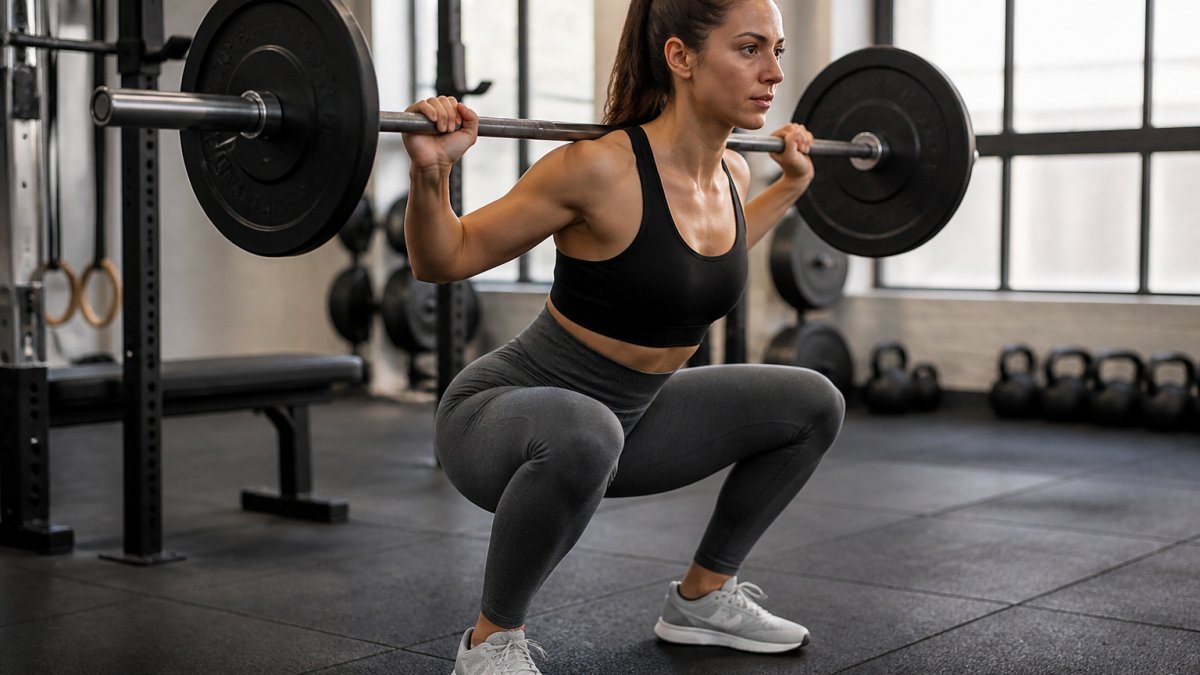
GrantB Sculpt Leggings: High-Intensity Training
The GrantB Sculpt Leggings at £34.99 are our pick for heavy training. The high waistband is designed to stay in place through squats and lunges, and the dense fabric is built to stay non-see-through when stretched. Four-way stretch gives full range of motion, and the sculpting fit smooths your silhouette without the squeezed feeling that puts people off compression wear.

Best for: strength training, cardio and yoga where you want coverage that holds.
GrantB Flare Leggings: Studio and Casual Wear
The GrantB Flare Leggings at £34.99 use a bootleg cut that lengthens the leg and reads more like athleisure than gym kit. Same squat-proof and non-see-through construction, same supportive waistband, but a silhouette that works with trainers and an oversized top for the walk home.

Best for: studio classes, pilates, and days when you go straight from the gym to somewhere else.
GrantB Training Shorts: Warm Conditions and Mobility Work
The GrantB Training Shorts at £24.99 are the answer when leggings feel like too much. Breathable, sweat-wicking fabric, a secure high waistband and functional pockets for keys or a phone. The four-way stretch handles squats and lunges without restriction.
Best for: hot studios, summer sessions, and mobility work where you want airflow.
GrantB Sculpt Set and Studio Flare Set: Coordinated Options
If you would rather not match pieces yourself, the GrantB Sculpt Set at £59.99 pairs a supportive sports bra with leggings that include functional pockets. The GrantB Studio Flare Set at £49.99 pairs a fitted vest with bootleg flared leggings. Both are built for training and styled for everything after it.
Recommendations by Workout Intensity and Climate
Match the fabric to the intensity first, then adjust for temperature. This is where most buying decisions go wrong, because people shop for a look rather than a workload. The table below sets out the trade-offs by activity and climate, the comparison most guides leave out.
| Workout | Sweat Level | Best Fabric | Why | Watch Out For |
|---|---|---|---|---|
| Restorative yoga, pilates | Low | Cotton-forward blend or merino | Softness and breathability matter more than wicking | Cotton sags in deep stretches |
| Strength training | Moderate | Nylon and elastane | Opacity and recovery under load | Waistband roll during deadlifts |
| Running, HIIT | High | Polyester and elastane | Fastest drying, lightest when wet | Odour if not washed promptly |
| Hot studio, summer sessions | High | Polyester blend or training shorts | Airflow plus quick drying | Chafing at seams |
| Cold-weather outdoor training | Moderate | Full-length nylon blend or merino base | Warmth without bulk | Overheating once you warm up |
Low-Sweat Sessions
For restorative yoga, pilates and mobility work, you are not asking the fabric to manage much sweat. Here, softness and breathability matter more than wicking, and a cotton-forward blend or a merino piece can be perfectly pleasant. The trade-off is stretch recovery: cotton-forward fabrics will sag at the knee and waist in deep poses, so check the elastane content if you hold long stretches.
Moderate-Sweat Sessions
Strength training sits in the middle. You sweat, but not continuously, and you need the fabric to stay opaque and in place through squats, lunges and floor work. A nylon and elastane blend is the practical choice: dense enough to stay squat-proof, with enough recovery to keep the waistband gripping through a full session.
High-Sweat Sessions
Running, HIIT and hot studio classes push fabric hardest. Polyester and elastane dries fastest and stays lightest when wet, which is why it dominates performance running kit. The trade-off is odour: polyester holds smell if left damp, so wash after every session. If you prefer a natural fibre, merino handles sweat well but dries more slowly than polyester and offers less stretch recovery.
Climate Adjustments
Temperature changes the fabric decision, not just the garment choice.
- Warm conditions: prioritise airflow and drying speed. Training shorts in a sweat-wicking blend, or a light polyester legging.
- Cool conditions: prioritise warmth and opacity. Full-length nylon or polyester blends hold heat without bulk, and merino works well as a base layer for outdoor training.
- Variable conditions: a coordinated set covers warm-up, training and travel without a change of clothes, and lets you layer up or down as your body temperature shifts.
If you train in a cold studio and a warm gym in the same week, two pairs make more sense than one compromise pair. A cotton-forward piece for low-sweat days and a performance blend for high-sweat days will each last longer than a single pair asked to do both jobs.
Care, Durability and Cost Per Wear
Cost per wear is the honest way to judge activewear, and it favours fabric that survives repeated washing. A pair that costs £34.99 and lasts two years of regular training costs far less per session than a cheaper pair that pills and loses shape within months.
To protect performance fabric:
- Wash cool, and turn leggings inside out to reduce surface friction
- Skip fabric softener, which coats the fibres and reduces moisture movement
- Avoid tumble drying, which stresses elastane and shortens recovery
- Air dry flat or hanging, away from direct heat
- Wash after every heavy session to prevent odour setting into the fibres
Watch for the two warning signs of decline: pilling on the inner thigh, and a waistband that no longer springs back. Shrinkage usually points to heat exposure rather than the fabric itself.
Sensitive Skin and Material Safety Considerations
Sensitive skin reacts to finishes, dyes and tight synthetic knits more often than to the fibre itself. If you are prone to irritation, choose soft, smooth fabric finishes, wash new pieces before wearing them, and avoid leaving sweaty kit on for longer than necessary.
There is growing interest in non-toxic clothing and plastic-free materials, and it is worth understanding what those terms mean in practice. Synthetic performance fabric is, by definition, plastic-based. That is not a flaw for training kit, but it does mean claims about "natural" alternatives need scrutiny. A cotton-forward fabric may suit sensitive skin better for low-intensity wear, while a performance blend will serve you better when you sweat.
For guidance on textile labelling and what claims legally mean, the UK regulations on textile fibre names and labelling sets out the rules sellers must follow. If material safety is a priority for you, look for clear fibre composition on the label rather than vague marketing terms.
Choosing training kit is a decision about how fabric behaves under load, not about which pair looks best on the hanger. GrantB Sportswear builds every piece from the same performance blend: four-way stretch, moisture-wicking fabric, a supportive high waistband designed to stay in place, and squat-proof, non-see-through coverage. Whether you need the Sculpt Leggings for heavy sessions, the Flare Leggings for studio days, or the Training Shorts for warm conditions, each option is designed to sculpt, support and move with you. Get started with GrantB Sportswear and train with kit that holds up from your first rep to your final set.
Frequently Asked Questions
Are cotton leggings suitable for workouts?
Standard cotton leggings absorb sweat and hold it against your skin, which makes them heavy and slow to dry during intense training. They also lack the stretch recovery needed for squats and lunges, so they can sag or become see-through when you move. For low-intensity activities like walking or gentle yoga they can work, but for gym training, moisture-wicking leggings made from synthetic blends perform far better.
What are the best alternatives to cotton leggings for sweaty workouts?
Look for leggings made from nylon and elastane blends, which wick moisture away from the skin and dry quickly. A 78% nylon, 22% elastane composition, like the GrantB Sculpt Leggings at £34.99, provides four-way stretch, squat-proof coverage and a supportive waistband that stays in place. Shorts in the same fabric, such as the GrantB Training Shorts at £24.99, suit warmer conditions or high-intensity sessions where you want more airflow.
How do I know if leggings are actually squat-proof?
Squat-proof gym leggings use a dense fabric that maintains opacity when stretched. Check the material weight and composition: a higher nylon content with elastane typically provides better coverage than thin cotton or polyester. You can test them by bending your knees deeply in front of a mirror under bright light. GrantB Sculpt Leggings are designed with a dense, premium fabric to provide coverage during squats and lunges.
What can I wear to the gym that isn't leggings?
Training shorts, flared leggings and fitted joggers are all practical alternatives. The GrantB Training Shorts at £24.99 offer four-way stretch and a secure waistband for gym sessions and yoga. The GrantB Flare Leggings at £34.99 provide full-length coverage with a bootleg cut that works for studio classes and casual wear. For coordinated outfits, the GrantB Sculpt Set at £59.99 pairs supportive leggings with a sports bra.
Do synthetic leggings cause skin irritation?
Some people find synthetic fabrics less breathable, which can lead to irritation if sweat sits on the skin. Choosing moisture-wicking leggings that dry quickly helps reduce this. If you have sensitive skin, look for smooth, seamless construction and avoid rough seams or tight elastic. Washing new leggings before wearing them and following care instructions also reduces the chance of irritation from manufacturing residues.